Sass Lighting Sass Lighting

What Color Temperature is Best for Home Lighting Choices?

Time:2026-08-16 Author:Amelia
0%

When it comes to home lighting, the choice of color temperature can greatly affect the ambiance. Lighting expert Dr. Alice Thompson states, "The right color temperature can transform any space, creating a desired mood." So, what color temperature is best for home lighting? This question often leads to various opinions and preferences.

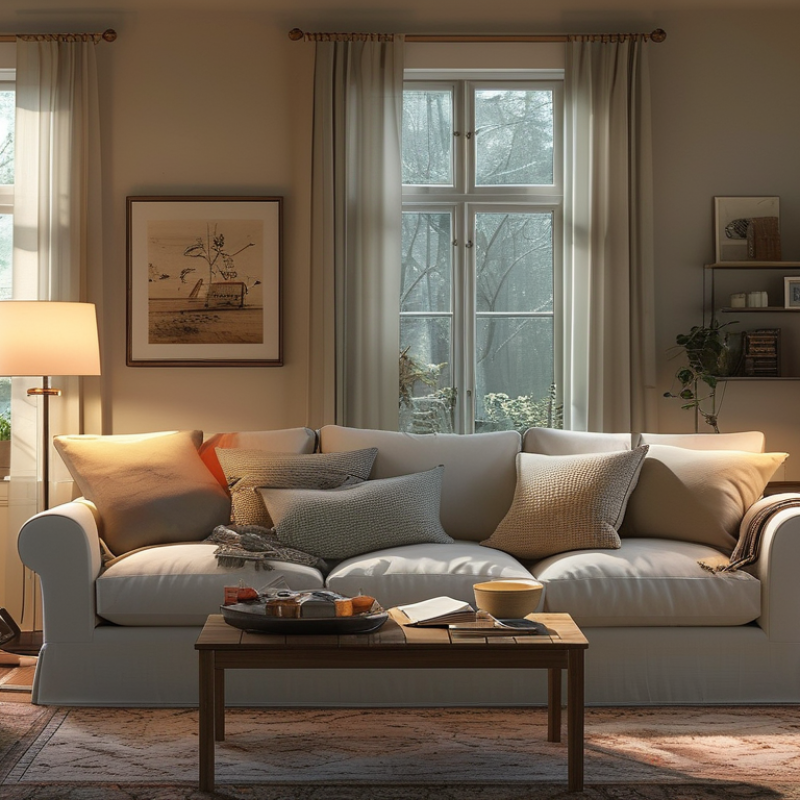
Homeowners frequently overlook the impact of color temperature. Soft white light (2700K-3000K) is popular for cozy spaces like living rooms. Meanwhile, daylight (5000K-6500K) works well in kitchens or workspaces. Each choice has distinct effects on mood and functionality.

Yet, personal preference plays a crucial role. People’s reactions to light can vary widely. What suits one room may not work for another. It’s essential to experiment. Consider using smart bulbs that allow adjustments. This flexibility encourages reflective decision-making about lighting. Ultimately, finding the ideal color temperature is about balancing functionality with comfort.
What Color Temperature is Best for Home Lighting Choices?

Understanding Color Temperature in Home Lighting

When considering home lighting, understanding color temperature is crucial. Color temperature is measured in Kelvin (K) and ranges from warm to cool lighting. Warm light, around 2700K to 3000K, creates a cozy atmosphere, ideal for living rooms and bedrooms. Cool white light, typically between 3500K to 4100K, works well in kitchens and bathrooms, as it enhances clarity.

Tips for Choosing Color Temperature:
- Determine the room's function before selecting a color temperature.
- Remember that colors may appear differently under various lighting.
- Test different bulbs in your space before making final decisions.

Consider how the light affects your mood. A stark, bright light can feel harsh, especially in comfortable spaces. Softer, warm light may enhance relaxation but could also make a room feel dim. Experimenting with dimmers can help you find the right balance, allowing you to adjust the brightness to suit different tasks and times of day.

Don't overlook the light fixtures themselves. The design and material can alter how light is perceived. A beautiful lamp might cast unflattering shadows or alter the warmth of the light. Be intentional about placement and shade to get the desired effect in every room.

Different Color Temperature Ranges and Their Effects

When choosing home lighting, understanding color temperature is crucial. Color temperature is measured in Kelvin (K). It ranges from warm to cool tones. Warm light, around 2700K, creates a cozy atmosphere. This is ideal for living rooms and bedrooms. It promotes relaxation and comfort.

Cool light, around 5000K, feels bright and energizing. This type is great for workspaces and kitchens. It enhances focus and productivity. However, some might find this light too harsh for relaxation. It's important to balance different light sources in your home.

Tips: Consider your activities when selecting light. Warmer lights can foster calmness in social areas. Use dimmable switches for flexibility. Additionally, test various bulbs to see what feels best in your space. Remember, your preferences may differ from others. Don’t hesitate to experiment with different temperature settings until you find the perfect fit.

Best Practices for Choosing Color Temperature in Each Room

Choosing the right color temperature for home lighting can significantly enhance your living space. In the living room, softer, warmer lights create a cozy atmosphere. Aim for a color temperature between 2700K and 3000K. This range mimics the warm glow of incandescent bulbs. It encourages relaxation and social interaction. However, too warm lighting may make the space feel dim. Consider balancing warm lights with some cooler tones for better visibility.

In the kitchen, a cooler color temperature of around 3500K to 4000K is often best. This enhances clarity and focus, ideal for cooking tasks. Clean, bright light can help prevent accidents while preparing meals. Yet, harsh lights can produce an unwelcoming feel. Use warm light accents in dining areas to create harmony.

Bedrooms should lean towards warmer lighting. A temperature below 3000K promotes restful sleep. Too many cool colors can disrupt this environment. Still, it’s essential to avoid overly dim lighting. Shadows can create safety hazards. Experiment with different bulbs and fixtures to find your ideal mix.

Reflect on how each room feels at various times of the day. Adjust your choices based on these experiences. Your lighting should evolve with your needs. Finding the right balance may take time and effort.

How to Test and Evaluate Lighting Options for Your Home

When evaluating lighting options for your home, it's essential to consider various factors. Start by testing different light sources in each room. This hands-on approach offers immediate feedback on how each option affects the space. Is the light too harsh or too dim? You may realize that what looks good in the store doesn't translate well to your home.

Use a color temperature meter to ensure accuracy. Measure the temperature in Kelvin, focusing on warmer tones for cozy areas like bedrooms and living rooms. Cooler temperatures work best in workspaces such as kitchens and offices. Keep a notebook handy to jot down your impressions. This simple habit can help identify what resonates with you most.

Reflect on your daily activities. Do you read often in your living room? The lighting should support that. Avoid static solutions; your needs may change over time. Regularly reassess your lighting to keep your home both functional and inviting. A thoughtful approach can enhance both the aesthetic and the ambiance of your space.

Long-Term Considerations for Home Lighting Investments

Choosing the right color temperature for home lighting can significantly impact your well-being. Long-term lighting choices often reflect personal taste and affect emotional comfort over time. Research from the Lighting Research Center indicates that warmer colors (2700K to 3000K) create a cozy atmosphere, promoting relaxation in living spaces. In contrast, cooler colors (4000K to 5000K) excel in work and task areas by enhancing focus and clarity.

When making investments in home lighting, consider how color temperature affects daily routines. Studies suggest that exposure to cooler light during daytime can improve productivity, while warmer light in the evening facilitates better sleep cycles. This balance is essential for maintaining a healthy lifestyle in the long term.

Tips: Invest in dimmable fixtures to easily adjust color temperature throughout the day. Try layering multiple light sources to enhance versatility. Remember, it's vital to reassess your lighting needs as your lifestyle changes, ensuring that your lighting continues to serve your home effectively. An educated decision can help create a harmonious living environment that evolves with you.

What Color Temperature is Best for Home Lighting Choices?

Color Temperature (Kelvin) Common Use Ambiance Created Ideal Room Types
2700K - 3000K Warm White Cozy, Inviting Living Room, Bedroom
3000K - 4000K Neutral White Balanced, Invigorating Kitchen, Bathroom
4000K - 5000K Cool White Energetic, Stimulating Office, Workshop
5000K - 6500K Daylight Bright, Alert Reading Room, Hallways

FAQS

: What is color temperature in home lighting?

: Color temperature measures the warmth or coolness of light, expressed in Kelvin (K).

What color temperature range is considered warm?

Warm light typically ranges from 2700K to 3000K, creating a cozy atmosphere.

Where is cool white light best used?

Cool white light, between 3500K to 4100K, works well in kitchens and bathrooms for clarity.

How should I choose a color temperature for a room?

Consider the room's function and test different bulbs to see how they affect your mood.

Can lighting affect my mood?

Yes, bright, harsh light may feel uncomfortable while warm light can enhance relaxation.

How do light fixtures impact lighting quality?

The design and material of fixtures can change light perception, affecting shadows and warmth.

What should I consider for long-term lighting choices?

Think about how color temperature affects your daily routines and emotional comfort over time.

How can I ensure my lighting stays effective?

Reassess your lighting needs as your lifestyle changes and invest in dimmable fixtures for flexibility.

Why is balancing different light sources important?

Balancing light sources helps create comfortable spaces for different activities and times of day.

What’s an interesting tip for lighting experimentation?

Don't hesitate to mix and match color temperatures until you find a satisfying balance.

Conclusion

When considering home lighting, one crucial aspect is understanding color temperature, which significantly impacts the ambiance and functionality of each room. The article explores various color temperature ranges, typically measured in Kelvin (K), and their psychological and practical effects, from warm tones ideal for relaxation to cooler shades that enhance focus and clarity.

To determine what color temperature is best for home lighting, best practices for each space are outlined, including recommendations for living rooms, kitchens, and bedrooms. Furthermore, it emphasizes the importance of testing and evaluating different lighting options to ensure they meet personal preferences and needs. Long-term considerations, such as energy efficiency and adaptability, are also vital as homeowners make lasting investments in their lighting choices. Ultimately, the right color temperature can significantly enhance the comfort and aesthetic of a home.

Amelia

Amelia

Amelia is a seasoned marketing professional with a wealth of expertise in our company’s core offerings. With an unwavering passion for driving growth and innovation, she plays a pivotal role in shaping our marketing strategies and enhancing brand visibility. A key aspect of her responsibilities......