Sass Lighting
Choosing the right bulbs for reading and working can dramatically enhance your productivity and comfort. According to lighting expert Dr. Emily Johnson, "The right light can make or break your focus." Her insights guide many on how to choose bulbs for reading and working effectively.
When selecting bulbs, consider brightness and color temperature. Warm white bulbs create a cozy atmosphere, while cooler tones enhance alertness. Look for bulbs with a high Color Rendering Index (CRI) for clarity. Dr. Johnson emphasizes, "A bulb’s quality can significantly impact eye strain and mood."
Reflecting on your workspace can help. Is your light dim or harsh? Are you straining to read? These questions matter. Evaluating your needs creates a path to finding the right illumination. Remember, the goal is not just to light up the room, but to cultivate an environment where focus thrives.
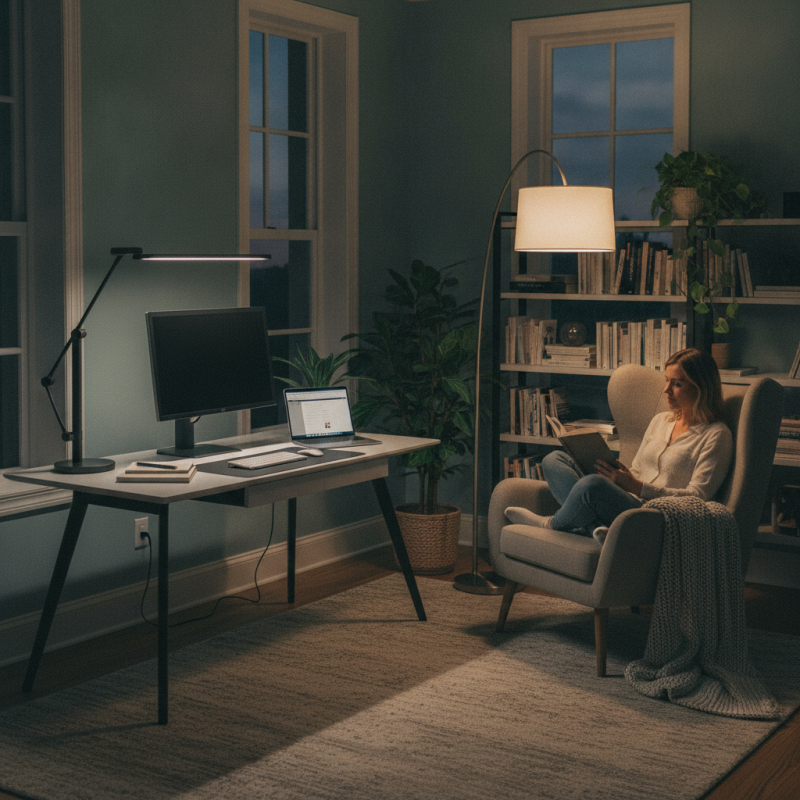
Selecting the right type of light bulb is crucial for your reading and working environment. There are several options, each with distinct advantages. LED bulbs are popular because they consume less energy and last longer. According to the U.S. Department of Energy, LED bulbs can last up to 25 times longer than incandescent ones. However, not all LEDs provide adequate color rendering for reading tasks, which can affect your perception of colors.
Incandescent bulbs, while less energy-efficient, offer a warm light that many find comforting. Studies indicate that the color temperature of 2700K to 3000K is best for creating a cozy atmosphere. These bulbs provide a seamless transition into nighttime but might not be energy-efficient in the long run.
Fluorescent lights are another option. They are known for their brightness and efficiency. However, they often emit a harsh light that can cause eye strain. That said, many modern fluorescent options have improved color rendering, making them suitable for workspaces. Choosing a bulb should involve considering its impact on your focus and overall well-being. It is essential to reflect on how different lights affect your mood and productivity.
Color temperature plays a crucial role in creating an optimal reading and working environment. Research shows that light color temperature is measured in Kelvin (K), influencing mood and productivity. Warmer light, around 2700K-3000K, creates a cozy atmosphere suitable for relaxation. Cooler light, above 5000K, mimics daylight and enhances alertness, promoting focus and efficiency. According to the International Journal of Industrial Ergonomics, appropriate lighting can improve task performance by up to 20%.
In recent studies, up to 60% of office workers reported feeling more productive in environments with higher color temperatures. This suggests that selecting the right bulb for your workspace is not trivial. However, it’s essential to balance between comfort and task demands. Harsh, cool lighting may lead to eye strain over prolonged periods. A mix of light sources can mitigate this, providing both brightness and warmth.
Finding the right color temperature also involves personal preference. Some may prefer warmer lights for reading, while others thrive in cooler tones when working. It’s worth noting that changing bulbs might not always yield immediate improvements. Regularly assessing and adjusting your workspace lighting can lead to better results over time. The key is to experiment and reflect on how different colors impact your daily activities.
When it comes to choosing bulbs for reading and working, understanding lumens and watts is essential. Watts measure energy consumption, while lumens indicate brightness. This distinction is crucial for setting the right ambiance in your space. For a well-lit workspace, aim for a bulb with at least 800 lumens. This brightness ensures you can read documents without straining your eyes.
Consider the color temperature as well. Bulbs with a higher color temperature, around 5000K to 6500K, emit a daylight-like quality. This brightness can enhance focus and productivity. On the other hand, warmer colors, like those around 2700K, create a cozy environment perfect for relaxation. Experimenting with different setups can lead to unexpected discoveries about your lighting preferences.
It's important to reflect on your needs. Different tasks require different lighting. For instance, reading requires more focused lighting, while general tasks can manage with lower brightness. Don't hesitate to try various bulbs and settings. Your workspace should adapt to your working style, not the other way around.
| Bulb Type | Lumens | Watts | Best Use | Color Temperature (Kelvin) |
|---|---|---|---|---|
| LED | 800 | 9 | Reading, Working | 3000-4000 |
| CFL | 800 | 14 | General Lighting | 2700-3500 |
| Incandescent | 800 | 60 | Cozy Ambiance | 2700 |
| Halogen | 800 | 50 | Task Lighting | 3000 |
Choosing bulbs for reading and working requires careful thought. Energy efficiency is key. The right bulbs not only save money but enhance your work experience.
Look for LED bulbs. They use less energy and last longer. Opting for a warm white tone can create a cozy atmosphere. This is crucial for long reading sessions. Avoid harsh lights; they can strain the eyes over time.
Consider brightness levels. A bulb with adjustable brightness is ideal. This enables you to tailor the light to your needs. Dim light can lead to fatigue. Reflect on your workspace. An organized area with proper lighting can boost productivity. Keep in mind that energy-efficient options may cost more upfront but offer savings in the long run. Each small choice contributes to a greener future.
Choosing the right placement and fixtures for reading and working is crucial for maximizing light efficiency. Reports indicate that proper illumination can improve focus and productivity by up to 30%. Positioning your light sources at eye level can reduce glare and shadows, enhancing clarity. Experimenting with angles can help in finding the most comfortable lighting setup for your tasks.
The type of fixture also plays a significant role. Soft, diffuse lighting is often more appealing for reading. According to the Illuminating Engineering Society, a brightness level of 300-500 lux is ideal for reading. Overly bright lights can cause eye strain, while dim setups may lead to fatigue. Using adjustable fixtures allows you to modify light intensity based on specific tasks.
Additionally, think about the color temperature. Warmer lights (2700K-3000K) create a cozy atmosphere, while cooler tones (5000K-6500K) mimic daylight. Some studies suggest that cooler lights enhance alertness. However, this can vary between individuals. Regularly evaluate your workspace. Are your fixtures providing adequate light? Are shadows frequent? Reflecting on these details can lead to a more efficient and comfortable working environment.
This bar chart compares the brightness in lumens of various types of light bulbs suitable for reading and working. Choosing the right bulb type leads to optimal lighting conditions, enhancing your reading and working experience.
: Focus on energy efficiency. LED bulbs are a great option as they save energy and last longer.
Warmer tones create a cozy atmosphere. They are perfect for long reading sessions.
Harsh lights can strain your eyes over time. This may lead to discomfort during work.
Proper illumination can boost focus. Position light sources at eye level to reduce glare.
A brightness level of 300-500 lux is recommended for optimal reading comfort.
Adjustable fixtures allow you to modify light intensity. This can help based on specific tasks.
Proper placement minimizes shadows. It can also improve clarity and overall comfort.
Yes, regularly assess if your fixtures provide adequate light. Check for shadows that hinder your work.
Energy-efficient options may cost more upfront. They offer long-term savings and benefit the environment.
Cooler lights may enhance alertness for some. However, effects can vary between individuals.
Choosing the right light bulbs for reading and working is crucial for creating an optimal environment that enhances productivity and comfort. When considering how to choose bulbs for reading and working, it's important to explore various types of bulbs available, including LED, incandescent, and fluorescent options. Each type comes with its own set of characteristics suited for different tasks.
Color temperature plays a significant role, as warmer tones are often preferred for relaxation and cooler tones can help maintain focus. Additionally, understanding lumens and watts can guide you in selecting the appropriate brightness level for your space, ensuring that the lighting meets your needs without causing eye strain. Energy efficiency is another key consideration to save on costs and reduce your carbon footprint. Lastly, proper placement of fixtures can maximize the light available, further enhancing your reading and working experience. By taking these factors into account, you can effectively choose bulbs that cater to your specific requirements.
