Sass Lighting Sass Lighting

10 Best Tips for Choosing the Right Light Bulb for Your Room?

Time:2026-07-17 Author:Sienna
0%

When considering how to choose the right light bulb for my room, it’s essential to understand your needs and preferences. The right lighting can elevate your space’s ambiance and functionality. According to the U.S. Department of Energy, proper lighting can also improve energy efficiency by up to 75%. This makes informed choices crucial.

Choosing the wrong bulb can lead to poor light quality. For instance, color temperature can affect mood and productivity. Bulbs with a warm color (2700–3000K) create a cozy vibe. However, a cooler light (4000K and above) is more suitable for workspaces. In fact, recent studies show that lighting affects concentration levels. An inadequate choice may lead to fatigue and decreased performance.

Consider brightness levels, measured in lumens. Bright rooms require higher lumen output. Yet, too bright can cause discomfort. Making the right choice involves understanding these nuances. Reflect on your current lighting and how it impacts your daily activities. Learn from trial and error to achieve optimal results in your space.
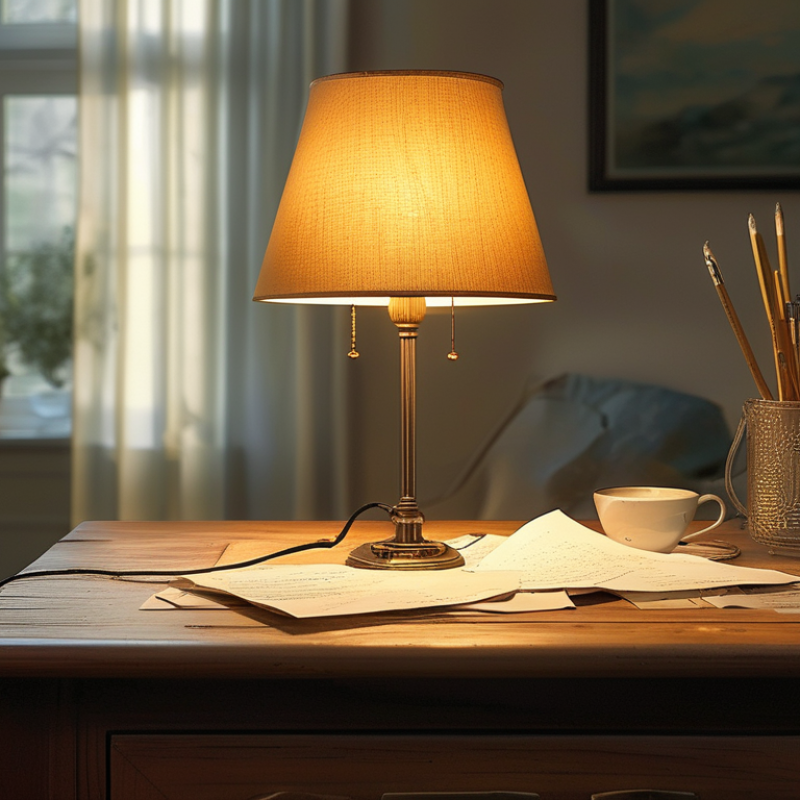
10 Best Tips for Choosing the Right Light Bulb for Your Room?

Choosing the Right Light Bulb: Understanding Lumens vs. Watts

When choosing light bulbs, lumens and watts are crucial, yet often misunderstood. Lumens measure brightness. Higher lumens mean brighter light. Many assume that more watts equals more light, but that's outdated thinking. A 60-watt incandescent bulb produces about 800 lumens. However, modern LED bulbs can achieve the same brightness with only 10 to 15 watts. This shift helps save energy and reduce costs.

Understanding these terms is vital for any room's ambiance. A living room may benefit from warm, soft lighting with about 300 to 600 lumens per bulb. Conversely, a kitchen or workspace may need brighter, cooler light. You might feel overwhelmed by choices. Trying different lumens can help you find the ideal atmosphere. Finding the right balance takes time and experimentation.

Some bulbs can be harsh. Choosing the wrong type can wash out colors or create shadows. Ideally, use a mix of light sources. Layering lights at various heights creates depth. Don't shy away from playing with options. Your space will change with the right bulbs. Remember, it’s all about your comfort and preferences.

The Impact of Color Temperature on Room Ambiance and Mood

Color temperature plays a crucial role in shaping the ambiance and mood of a room. Measured in Kelvin (K), it indicates the warmth or coolness of light. Warmer lights, around 2700K to 3000K, create a cozy and inviting atmosphere. This type of light is ideal for living spaces where comfort is vital. On the other hand, cooler lights, ranging from 4000K to 5000K, promote alertness and focus, making them suitable for workspaces.

Studies show that lighting affects our emotions. Research from the American Psychological Association highlights how warm lighting can reduce stress and increase relaxation. Meanwhile, bright, cooler lighting can enhance productivity and energy levels. Choosing the right color temperature can transform your reactions in a given space. Warm light can evoke feelings of intimacy, while cool light can stimulate creativity.

When selecting a light bulb, consider the purpose of the room. For calming areas, opt for warmer bulbs. For tasks that require concentration, cooler options may be more effective. Remember to test different colors to see how they affect your environment. Adjusting light color can lead to unexpected feelings. Experimenting is essential for finding the perfect balance.

Energy Efficiency: Comparing LED, CFL, and Incandescent Bulbs

When choosing light bulbs for your room, energy efficiency is crucial. Comparing LED, CFL, and incandescent bulbs reveals significant differences. LED bulbs shine brightly but consume less energy. They last up to 25,000 hours, making them cost-effective over time. However, they can have a higher upfront cost.

CFL bulbs are another option. They last about 10 times longer than incandescent bulbs. They provide decent light but might take some time to reach full brightness. Many people find their light quality less appealing. Incandescent bulbs, while warm and familiar in glow, are the least energy-efficient. They consume more electricity and have shorter lifespans.

Each type has its pros and cons, and it’s essential to consider your needs. If you prioritize longevity and efficiency, LED is a wise choice. However, some may prefer the ambiance from incandescent bulbs, accepting the higher energy costs. Evaluating each option carefully will help you find the best fit for your room.

Lifespan and Cost-Effectiveness of Different Light Bulb Types

When selecting a light bulb for your room, understanding lifespan and cost-effectiveness is essential. LED bulbs, for instance, can last up to 25,000 hours. This lifespan exceeds incandescent bulbs, which typically last around 1,000 hours. According to the U.S. Department of Energy, LEDs use 75% less energy. This can lead to significant savings on your electricity bill over time.

Consider the upfront costs as well. While LEDs may be pricier initially, their efficiency means lower replacement frequency and energy costs. In contrast, incandescent bulbs are cheaper but require frequent replacements. A clear recommendation emerges: invest in quality, long-lasting bulbs.

Tip: Evaluate your space. If you have high ceilings, consider bulbs with higher output. For cozy spaces, warm light creates a welcoming atmosphere. Don’t overlook the science behind color temperatures either. Warmer light (2700K-3000K) gives a soft glow, while cooler light (4000K-5000K) enhances visibility.

Take time to reflect on your choices. Purchasing a more expensive bulb may seem unnecessary. However, think about long-term savings and environmental impact. Check energy ratings for best efficiency. Make informed decisions that serve both your budget and the planet.

Safety Considerations: CRI and Flicker Rate in Lighting Choices

When choosing light bulbs, understanding the Color Rendering Index (CRI) and flicker rate is essential. CRI measures how accurately a light source displays colors. A higher CRI means colors appear more vibrant and true to life. For instance, a bulb with a CRI of 90 displays reds and blues much better than a bulb with a CRI of 70. This difference is especially noticeable in spaces where color perception is vital, like kitchens and art studios.

Flicker rate is another critical factor. A steady light source promotes comfort and reduces eye strain. Lights that flicker can lead to headaches and irritability. Many people may not notice flicker, but it can subtly affect productivity and mood. Testing a bulb in your space for a few days can reveal its true impact. If the light feels uncomfortable or causes fatigue, it may be time to explore alternatives. Balancing CRI and flicker rate is key, but finding the right light can take some trial and error.

FAQS

: What is color temperature?

: Color temperature measures light's warmth or coolness, indicated in Kelvin (K).

How does warm light affect a room?

Warm light, between 2700K and 3000K, creates a cozy and inviting atmosphere ideal for comfort.

What is the impact of cooler light?

Cooler light, from 4000K to 5000K, promotes alertness and focus, making it suitable for workspaces.

How does lighting influence emotions?

Warm lighting reduces stress and increases relaxation, while cool lighting enhances productivity and energy levels.

What should I consider when choosing a bulb?

Consider the room's purpose. Use warmer bulbs for calm areas and cooler ones for tasks needing focus.

How long do different light bulbs last?

LED bulbs can last up to 25,000 hours, while incandescent bulbs usually last around 1,000 hours.

Are LEDs cost-effective?

Yes, LEDs use 75% less energy, leading to significant savings over time, despite higher initial costs.

What should I evaluate about my space?

Assess ceiling height and choose bulbs accordingly. Higher output is better for tall spaces, while cozy settings need warm light.

Why is it important to reflect on bulb choices?

Reflecting on your choices helps in understanding long-term savings and the environmental impact of your decisions.

How can experimenting with light colors benefit me?

Testing different light colors can reveal how they influence your mood and environment, leading to better choices.

Conclusion

Choosing the right light bulb for your room involves several key considerations that can significantly impact both functionality and atmosphere. First, it's essential to understand the difference between lumens and watts, as lumens measure brightness while watts indicate energy consumption. Next, the color temperature of a bulb plays a crucial role in shaping the ambiance; warmer tones create a cozy feel while cooler tones enhance focus and alertness.

Additionally, energy efficiency is a foundational aspect to assess, particularly when comparing LED, CFL, and incandescent bulbs, as each option varies in lifespan and cost-effectiveness. Lastly, safety factors such as the Color Rendering Index (CRI) and flicker rate must be evaluated to ensure your lighting supports a healthy and comfortable environment. In summary, knowing how to choose the right light bulb for my room involves balancing brightness, ambience, energy use, longevity, and safety parameters for optimal results.

Sienna

Sienna

Sienna is a skilled marketing professional with a deep expertise in our company’s core products and services. With a passion for innovation and detail, she plays a pivotal role in crafting insightful blog posts that not only highlight the unique features of our offerings but also provide valuable......