Sass Lighting
A bulb can look right on a shelf and still fail inside a fixture. Its shape affects clearance, shade fit, and where light lands: an A-shaped bulb spreads light broadly, while a reflector bulb aims it toward a counter or reading chair. The small details matter. Check the fixture label, socket type, and available space before comparing styles.
How to choose between different bulb shapes starts with the job the light must do. The U.S. Department of Energy’s Energy Saver guidance says LEDs use at least 75% less energy and last up to 25 times longer than incandescent bulbs. Those figures describe LED technology, not bulb shape; a familiar-looking bulb can still cast the wrong beam. ENERGY STAR’s product guidance also makes efficiency and light output useful comparison points. Look for lumens, not just watts, then consider whether the fixture needs an exposed decorative bulb, a compact globe, or a directional reflector.
Lighting researcher Dr. Mariana Figueiro has described light as “the most powerful synchronizer of the circadian system.” That reminder is broader than bulb shape, but useful: where and when light reaches you matters. A bright, bare bulb above a mirror may feel harsh, even when its specifications look ideal. And a mistake is easy to make. I would not choose by appearance alone; I would check the fixture, then test the light in the room.
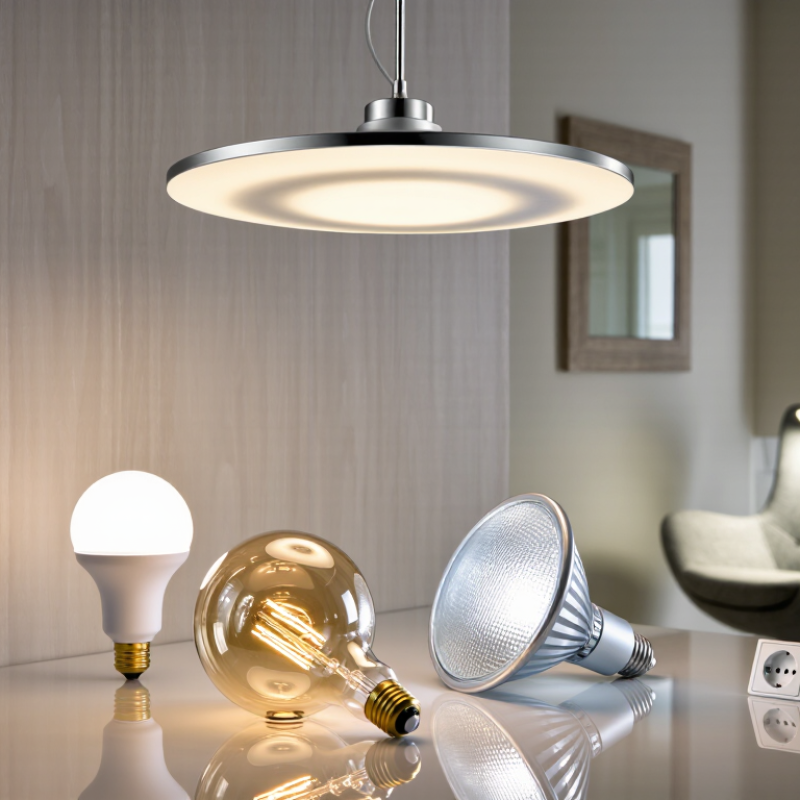
Light bulb shapes describe the glass envelope, not the fitting that connects a bulb to a lamp. That distinction matters: a bulb can have the right shape but the wrong base or dimensions. The familiar A-shape resembles a small pear and suits many open or shaded fixtures. Globe bulbs have a rounded surface that looks intentional in exposed pendants and spreads light broadly. Candle-shaped bulbs taper near the top, fitting decorative fixtures with narrow shades. Small details count.
Reflector bulbs use an angled or coated interior to send more light in a chosen direction, useful in recessed ceiling fixtures or track lights. Tubular bulbs are long and narrow, so they work in some vanity bars and enclosed housings. Shape alone does not tell you how bright or warm the light will be; check lumens and color temperature too. A bright-looking globe may still feel dim in a deep shade. It is easy to overfocus on appearance.
Before buying, compare the bulb’s dimensions with the fixture’s opening, and check whether the fixture needs a particular bulb type. The labels can be confusing. A shape code helps identify the outline, but it does not guarantee a perfect fit.
Before choosing a bulb shape, check the fixture label and the socket it uses. The socket determines the bulb’s base type and size; the shade or housing limits its shape and length. Switch off the power, then look inside the fixture for a label showing the maximum wattage and any approved bulb types. Don’t rely on the old bulb alone: it may have been the wrong fit. A quick measurement from the socket to the shade opening can prevent an awkward return.
Check whether the fixture is enclosed, recessed, or exposed to moisture, since these conditions affect which bulbs are suitable. An enclosed glass globe can trap heat, while a narrow desk-lamp shade may block a wide bulb. Read the bulb packaging for fixture compatibility, dimensions, and any damp-location rating. Also confirm that the bulb sits securely without forcing or wobbling. Small details matter. I’ve seen people focus on appearance and miss clearance by just a few millimeters; it’s an easy mistake to make. If the fixture label is missing or unclear, consult its manual or ask a qualified lighting professional before buying.
How to Choose the Right Light Bulb Shape?
How to Match Bulb Shape to Light Direction and Coverage
Bulb shape affects where light travels, not just how a fixture looks. A standard A-shaped bulb spreads light broadly, making it useful in open table lamps and ceiling fixtures. Check the shade, though: a deep, narrow shade can block light from reaching the sides. More brightness does not always mean better coverage.
A PAR or BR reflector bulb directs light forward, helping illuminate a countertop, artwork, or hallway floor without lighting every wall equally. Globe bulbs spread light widely and can look even in exposed sockets, but clear glass may cause glare at eye level. Candle-shaped bulbs fit narrow decorative fixtures, yet may leave a larger room dim. Small details matter.
Match the bulb’s beam angle to the area you want lit. A wider beam can cover a small room; a narrower one can highlight a work surface. Also check the bulb’s length, diameter, and fixture compatibility before buying. I’ve seen people focus on shape and overlook the shade, then wonder why one corner stays gloomy. Test the light after dark, when shadows are easier to spot.
Match the bulb’s light spread to the area you want to illuminate. The ranges below are illustrative typical beam spreads in degrees; actual coverage varies by lamp design.
Quick guide: A-shape and globe bulbs generally spread light widely for general room lighting. BR bulbs suit broad directional lighting, while PAR and MR reflector bulbs provide narrower beams for highlighting specific areas. Check the bulb’s beam-angle specification, since shape alone does not determine coverage.
Choose the bulb shape around the fixture’s job, not just the room. An A-shaped bulb suits table lamps and open ceiling fittings because it spreads light broadly. For recessed ceiling cans, a reflector or BR-shaped bulb directs light downward onto floors or counters. Globe bulbs work well in vanity bars, where exposed lamps need an even, soft appearance. Candle-shaped bulbs fit many chandeliers and narrow shades. Check the fixture’s socket, available clearance, and enclosure rating before buying. Check the fit first.
Think about what the light must reach. A reading lamp beside a chair benefits from a directional bulb, while a hallway usually needs broader, even coverage. Under-cabinet fixtures often need a slim tubular shape that fits the housing. The U.S. Department of Energy’s Energy Saver guidance says LEDs use at least 75% less energy and last up to 25 times longer than incandescent bulbs. ENERGY STAR’s light-bulb purchasing guidance uses 800 lumens as a typical replacement for a 60-watt incandescent bulb, a useful reminder to compare brightness, not shape alone. Aim matters, too. A deep shade can hide a bulb’s output, and a clear globe may create glare at eye level. Room labels are only a starting point; fixture design changes the result.
| Bulb Shape | Typical Fixture or Room | Why It May Fit | What to Check Before Buying |
|---|---|---|---|
| A19 (standard pear shape) | Living rooms, bedrooms, table lamps, and many enclosed household fixtures | A common general-purpose shape that spreads light broadly in many open or shaded fixtures. | Check the fixture’s maximum bulb size, socket type, wattage limit, and whether the bulb is approved for enclosed fixtures if needed. |
| A15 (compact pear shape) | Small lamps, ceiling-fan lights, and compact household fixtures | Its smaller profile can fit where a standard A19 bulb may be too large. | Compare the bulb’s length and diameter with the available space, and follow the fixture’s heat and wattage requirements. |
| BR30 (wide reflector) | Recessed ceiling cans in kitchens, living rooms, and hallways | The broad reflector directs light downward and can provide a wide beam for general room illumination. | Confirm the recessed can’s diameter and trim clearance. Choose a beam spread and brightness suited to the ceiling height and task. |
| PAR38 (directional reflector) | Outdoor floodlights, security fixtures, and some large recessed fixtures | A directional shape can concentrate light on a driveway, entry, landscape feature, or other target area. | Check fixture compatibility, beam angle, weather exposure rating, and whether the bulb is suitable for the fixture’s housing. |
| G25 (globe) | Bathroom vanity bars, mirror lights, and exposed decorative sockets | The rounded form looks deliberate when visible and can distribute light around a mirror. | Measure the space between sockets and the distance from the bulb to the mirror or shade. Use a damp-location-rated bulb where required. |
| B11 (candle or torpedo shape) | Chandeliers, wall sconces, and decorative fixtures with narrow shades | The slim profile suits fixtures designed to show or partly reveal the bulb. | Check the fixture’s specified base size and maximum bulb dimensions; decorative fixtures may have limited clearance. |
| T10 (tubular) | Linear vanity fixtures, display lights, and fixtures designed for tubular bulbs | The elongated shape can fit narrow housings and provide an even line of light when the fixture is designed for it. | Match the required bulb length, diameter, base, and orientation. Do not assume a tubular bulb fits every linear fixture. |
| ST19 (vintage-style elongated bulb) | Open pendants, wall sconces, and decorative lamps | The visible filament-style appearance can complement fixtures where the bulb is part of the design. | Confirm that the bulb fits inside the shade and produces enough light for the room; decorative appearance does not guarantee suitable task lighting. |
Choosing the right light bulb shape starts with the fixture’s space, not its appearance. Check the bulb’s length and widest point against the shade, glass cover, and socket position. A globe bulb may look compact in a photo but touch a narrow shade when installed. Leave room around the bulb, especially in enclosed fixtures, and follow the fixture’s stated limits. Shape also affects where light goes: a tubular bulb may suit a slim fitting, while a globe can spread light more evenly. Small details matter.
Confirm the base type and the fixture’s voltage and wattage requirements before buying. The bulb should screw in without force and sit securely, not wobble or press against the shade. If the fixture is enclosed, use a bulb marked as suitable for enclosed use. Dimmers need compatible bulbs, too. A bulb can fit and still behave poorly. Measure the old bulb, but treat that measurement as a clue; its shape or light output may differ from what you need.
Tips: Switch off the fixture and let the old bulb cool. Measure its length and widest diameter, then compare those figures with the available clearance. Check the fixture label or manual for restrictions. A ruler helps, but it cannot show how light will look in your room, so keep the packaging until you have tested the bulb.
It describes the glass envelope, not the fitting or socket. The distinction is easy to miss.
A-shaped bulbs resemble small pears. Globes are rounded, candle shapes taper, reflectors direct light, and tubular bulbs are long and narrow.
No. Check lumens for brightness and color temperature for the light’s warmth.
Check the fixture label, socket, and bulb dimensions. Measure the space between the socket and shade opening.
It may have been the wrong fit. I still catch myself assuming an old bulb is a useful guide.
Check the bulb packaging for compatibility. Enclosed glass can trap heat.
Yes. Check the damp-location rating near moisture. Recessed, exposed, and enclosed fixtures may need different bulbs.
Check the manual or ask a qualified lighting professional. Don’t force a bulb that wobbles or sits poorly.
Yes. A wide bulb may not clear a narrow shade. Small details matter.
Choosing the right light bulb shape starts with understanding how shapes affect fit, appearance, and the way light spreads. Before deciding, check the fixture’s socket type and any shape or size limits listed for it. Then consider whether the space needs focused light, broad room coverage, or a softer decorative glow. How to choose between different bulb shapes depends not only on the look you prefer, but also on the fixture’s purpose and the direction light needs to travel.
Match the bulb shape to both the room and the fixture: a reading area may benefit from more directed illumination, while general living spaces often need light distributed more widely. For enclosed or compact fixtures, confirm the bulb’s length and width, allow enough clearance, and make sure its base is compatible with the socket. These checks help you select a bulb that fits safely, works as intended, and provides suitable light for the space.
