Choosing the right color temperature for home lighting can significantly impact our daily lives. Research shows that light can influence mood, productivity, and even sleep. According to the American Psychological Association, warm light improves relaxation, while cool light boosts alertness.
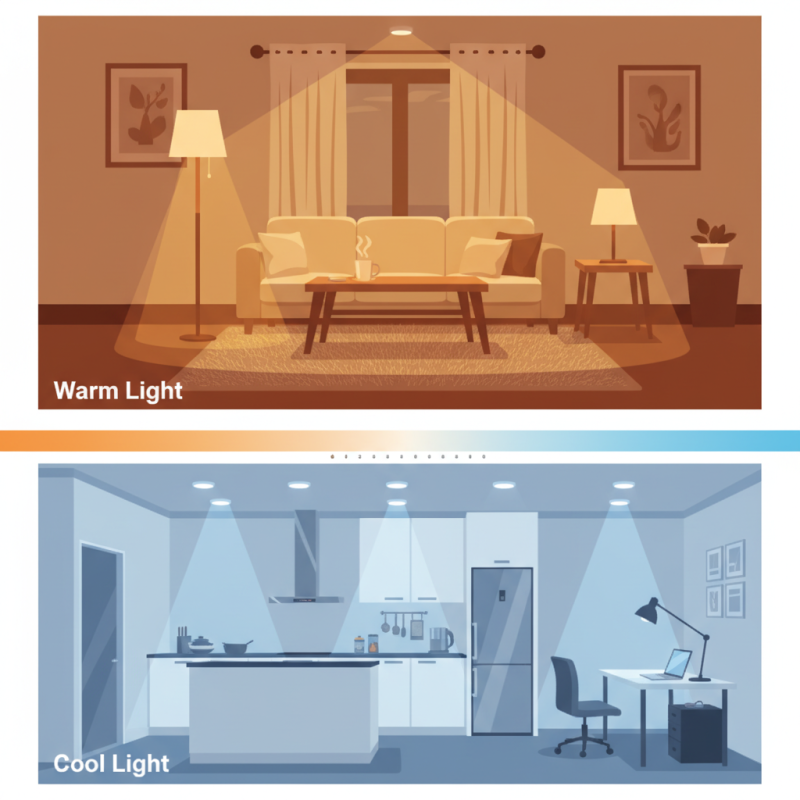
When asking, "What color temperature is best for home lighting?" it's essential to consider the function of each room. For example, living areas often benefit from warmer temperatures (around 2700K to 3000K), creating a cozy ambiance. In contrast, kitchens and home offices may require cooler temperatures (3500K to 5000K) for enhanced focus and efficiency.
However, choosing color temperature isn't always straightforward. Many homeowners overlook how light impacts their space. Some might find a stark white light too harsh for a relaxing evening at home. Striking the right balance requires thoughtfulness and awareness of personal preferences. Ultimately, understanding the nuances of color temperature can lead to a more harmonious living environment.
Understanding Color Temperature: Definition and Measurement Standards
Understanding color temperature is crucial for creating the right ambiance at home. Color temperature is measured in Kelvin (K), indicating how warm or cool a light source appears. Lower values, like 2700K, provide a cozy, warm glow, ideal for living spaces. In contrast, higher values, around 5000K, mimic daylight and are best suited for task-oriented areas, such as kitchens or home offices.
The American National Standards Institute (ANSI) sets guidelines for measuring color temperature. Their reports suggest that the human eye perceives warmer light as more inviting. This has significant implications for mental well-being. Studies show that lighting affects mood and productivity. Choosing an appropriate color temperature can lead to enhanced focus and energy levels.
Despite understanding the importance of color temperature, many still overlook it. For example, using harsh, cool light in bedrooms can disrupt sleep patterns. Conversely, overly warm light in workspaces may cause eye strain and fatigue. Recognizing the need for balance is crucial. Adjusting the light in specific areas of your home based on these measurements can lead to a more harmonious living environment.
Understanding Color Temperature for Home Lighting
The Impact of Color Temperature on Mood and Productivity: Research Insights
Choosing the right color temperature for home lighting can significantly influence your mood and productivity. Research shows that cooler light (above 5000K) can boost alertness and focus. A study by the Lighting Research Center found that such lighting enhances cognitive performance. It helps you stay awake, which is crucial for tasks requiring attention.
Conversely, warmer light (below 3000K) creates a cozy atmosphere. This type of lighting supports relaxation and social interactions. Studies suggest that warm white light can lower stress levels, making it ideal for living spaces. However, excessive warm light during the day can lead to lethargy. It's essential to balance these temperatures throughout your home for optimal energy levels.
Moreover, many people overlook how lighting impacts sleep quality. Exposure to blue light in the evening can disrupt circadian rhythms. A report from the National Institute of Health indicates that this disruption affects overall health. Choosing warmer tones in the evening can foster better sleep quality. Understanding the relationship between color temperature and your environment is vital.
Recommended Color Temperatures for Different Living Spaces in Homes
When selecting the perfect color temperature for home lighting, consider the purpose and mood of each space. Different rooms require different lighting to create an inviting atmosphere. Research indicates that warm white light (2700–3000K) is ideal for living rooms and bedrooms, promoting relaxation and comfort. In contrast, cooler whites (4000–5000K) are more suitable for workspaces and kitchens where focus and alertness are necessary.
For particular areas, the recommendations vary. Studies show that dining areas benefit from a warm glow, enhancing the dining experience. Bedrooms often require soft lighting, while bathrooms should have bright, clear light for grooming tasks. A study from the Lighting Research Center emphasizes the impact of these specific temperatures on human mood and productivity. Underestimating the role of color temperature can lead to spaces that feel either too stark or uninviting.
However, choices are not always straightforward. Many people are uncertain about how to mix color temperatures in their home. A lighting plan should balance function and aesthetics. Rooms with natural light may need adjustments, especially during different times of the day. Understanding these nuances allows homeowners to enhance their living spaces effectively.
Energy Efficiency and Color Temperature: Balancing Aesthetics and Utility
Choosing the right color temperature for your home lighting can significantly impact energy efficiency and the overall ambiance. Research from the U.S. Department of Energy indicates that lighting accounts for about 15% of residential electricity use. By selecting the right color temperature, homeowners can improve both aesthetics and utility. For instance, warmer tones (around 2700K to 3000K) create a cozy environment, while cooler tones (above 4000K) can enhance focus and productivity.
However, many people overlook the balance between beauty and functionality. A study by the National Renewable Energy Laboratory shows that light-emitting diodes (LEDs) are up to 80% more efficient than traditional incandescent bulbs. Yet, incorrect color temperature selection may lead to excessive energy usage. For example, bright, cool lighting may not suit every room, leading to uncomfortable spaces that require additional adjustments or even replacements.
Moreover, the human eye responds differently to varying color temperatures. Lighting that is too harsh can cause eye strain. Alternatively, overly dim lights might not be practical for essential tasks. Thus, a thoughtful approach to color temperature must consider both energy savings and visual comfort. Balancing these factors can enhance your living space, making it both functional and inviting.
Why Choosing the Right Color Temperature Matters for Home Lighting?
| Color Temperature (Kelvin) |
Appearance |
Best Uses |
Energy Efficiency |
| 2700K |
Warm White |
Living Rooms, Bedrooms |
Good |
| 3000K |
Soft White |
Dining Areas, Kitchens |
Better |
| 4000K |
Cool White |
Bathrooms, Workspaces |
Best |
| 5000K |
Daylight |
Offices, Retail Spaces |
Excellent |
| 6500K |
Bright White |
Hospitals, Studios |
High |
Choosing the Right Color Temperature: Expert Guidelines and Tips
Choosing the right color temperature for home lighting can drastically affect the mood and functionality of each room. Experts suggest using warmer tones, around 2700K to 3000K, in living spaces. These colors can create a cozy and inviting atmosphere. In contrast, cooler tones, like 4000K to 5000K, are ideal for workspaces. They promote focus and improve concentration.
When selecting light bulbs, it’s crucial to consider the room's purpose. For example, a kitchen benefits from bright, cooler light. This helps with food preparation. However, a bedroom should feature softer, warmer colors to enhance relaxation. Experimenting with different temperatures can reveal surprising outcomes. You might find that a room feels more spacious with a cooler hue.
It's also important to note that not all bulbs render colors accurately. This can lead to unexpected results in the visible spectrum. Therefore, testing a bulb in the actual setting is wise. Don’t rush the decision; the light may look different at various times of day. Ultimately, refining your lighting choices will transform your home into a more enjoyable space.
FAQS
: Color temperature indicates how warm or cool a light source appears. It is measured in Kelvin (K).
Lower values like 2700K provide a cozy, warm glow. They are ideal for living spaces.
Higher values around 5000K mimic daylight. They enhance focus in task-oriented areas like kitchens or offices.
The American National Standards Institute (ANSI) provides guidelines for measuring color temperature.
Warmer light is perceived as more inviting. It can positively affect mood and productivity.
Harsh light in bedrooms can disrupt sleep. Warm light in workspaces may lead to eye strain.
Balancing color temperatures promotes a harmonious environment and can improve energy levels throughout the home.
Blue light exposure at night can disrupt sleep. Warmer tones in the evening promote better rest.
Choosing the right color temperature can reduce energy usage while maintaining a desirable ambiance in your home.
Bright, cool lighting may not suit all rooms, leading to discomfort and potentially requiring adjustments or replacements.
Conclusion
Choosing the right color temperature for home lighting is crucial as it significantly impacts the ambiance of a space and can influence mood and productivity. Color temperature, measured in Kelvin (K), defines the warmth or coolness of light. Research indicates that warmer tones (below 3000K) may create a cozy atmosphere ideal for relaxation, while cooler tones (above 4000K) can enhance alertness and focus, making them suitable for workspaces.
When determining what color temperature is best for home lighting, it's important to consider the function of each room. For example, softer, warmer hues work well in bedrooms and living areas, while brighter, cooler lights are recommended for kitchens and home offices. Furthermore, balancing energy efficiency with desired aesthetics is key, as certain color temperatures can also impact energy consumption. By following expert guidelines and tips, homeowners can create harmonious lighting that not only looks appealing but also serves practical purposes throughout their living spaces.
 Sass Lighting
