Sass Lighting Sass Lighting

How to choose the best bulb shape for your needs?

Time:2026-06-19 Author:Sienna
0%

Choosing the right bulb shape can significantly impact your lighting experience. According to a report by the National Lighting Bureau, the correct choice can enhance both energy efficiency and ambiance. Expert lighting designer Dr. Emily Stevens states, "Understanding how to choose between different bulb shapes is crucial for optimizing light output and aesthetic appeal."

Light bulbs come in various forms, each serving different purposes. For instance, an A-shaped bulb is great for general lighting, while a reflector bulb suits outdoor fixtures or accent lighting. However, with so many options available, many consumers struggle to find the best fit. This confusion can lead to wasted resources and unsatisfactory results.

Selecting the proper bulb shape demands careful consideration. Consumers often overlook factors like brightness and color temperature. This oversight can lead to a mismatch in expectations versus reality. By addressing these issues, individuals can make informed choices, ensuring they find the ideal lighting solution tailored to their needs.
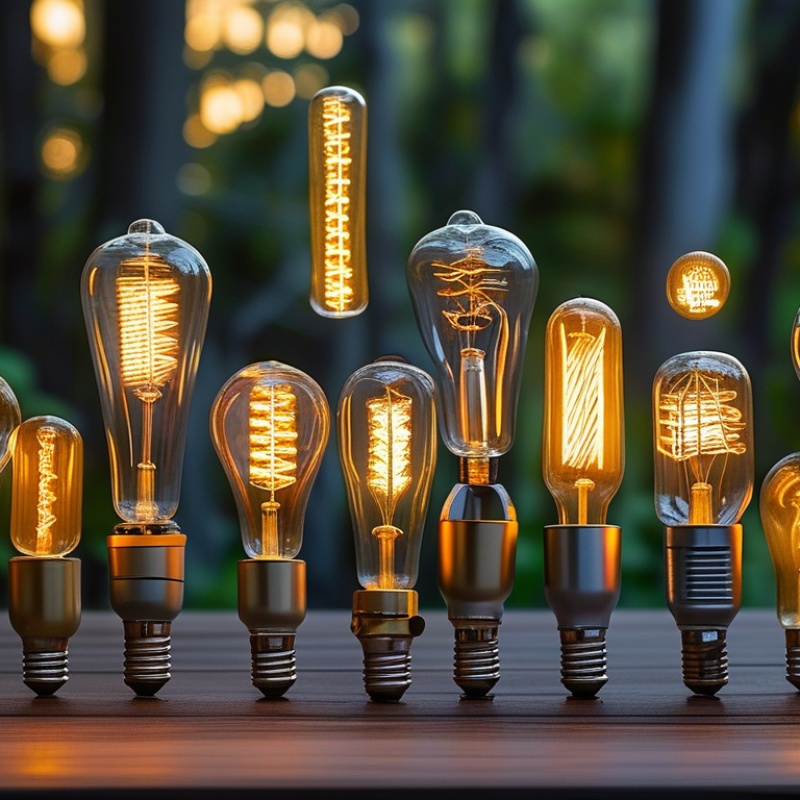
How to choose the best bulb shape for your needs?

Understanding Different Bulb Shapes and Their Functions

Choosing the right bulb shape can significantly impact your lighting experience. Various shapes exist, each tailored for specific purposes. Understanding these shapes can guide your decision-making process. For instance, A-shape bulbs are common for general lighting. Their rounded form fits most lamps and fixtures, making them versatile.

On the other hand, decorative bulbs, like globe and chandelier shapes, add aesthetic appeal. They often serve dual roles as both functional and ornamental. If you’re aiming for style, these options may enhance your home’s ambiance. However, keep in mind their wattage and lumens. Too much or too little light can create discomfort.

Tips: Consider your space. If you need focused lighting for reading, a spotlight shape may work best. For ambient light in living areas, a soft-glow bulb shape is ideal. Don’t overlook energy efficiency either; some shapes are more economical than others.

When experimenting with shapes, be open to trial and error. Your initial choice might not always be the best. Measuring light distribution and hue can be tricky. Taking notes on what works can lead to better decisions in the future.

Factors to Consider When Choosing Bulb Shapes for Specific Uses

Choosing the right bulb shape is crucial for various applications, including home lighting and commercial use. Factors like lumens output, energy efficiency, and fixture compatibility often dictate your choice. Industry reports indicate that 70% of consumers overlook these details, leading to dissatisfaction.

Consider functionality first. For instance, recessed lighting often requires specific bulb shapes. A PAR (Parabolic Aluminized Reflector) bulb is ideal for focused lighting in a narrow beam. In contrast, A-line bulbs provide a warm, widespread light. Understanding the space can enhance overall ambiance.

Be mindful of energy efficiency as well. The U.S. Department of Energy states that LED bulbs can reduce energy use by up to 80%. This is a significant consideration for high-use areas. However, many people still choose traditional bulbs due to upfront costs. Reflecting on these choices may lead to better long-term savings and a lower carbon footprint.

How to choose the best bulb shape for your needs? - Factors to Consider When Choosing Bulb Shapes for Specific Uses

Bulb Shape Best Use Light Distribution Energy Efficiency
A-Shape General Lighting Omnidirectional Moderate
Candle Decorative Lighting Directional High
Globe Ambient Lighting Omnidirectional Moderate
PAR (Parabolic Aluminized Reflector) Spot Lighting Highly Directional Very High
R (Reflector) Track Lighting Directional High

Comparing Popular Bulb Shapes: A Guide to A, B, C, and More

When selecting the best bulb shape, it's essential to consider your specific needs. Various shapes, including A, B, and C, serve different purposes. The A shape is the classic bulb design, ideal for general lighting in homes. It provides a warm and inviting glow, with studies showing it accounts for over 70% of residential lighting usage.

The B shape, often used in decorative fixtures, offers a unique aesthetic appeal. Its slender design allows for creative applications, especially in chandeliers and sconces. Reports indicate that B bulbs can enhance ambiance, making them popular in dining and living areas. However, their limited light output may not suit all spaces.

The C shape, commonly found in light strips and accent lighting, provides a focused beam. While it's great for task lighting, users should be cautious about over-relying on it. Some consumers report that C bulbs can create harsh lighting when not appropriately placed. Understanding these nuances can lead to more effective lighting choices for your environment.

Energy Efficiency and Lifespan: Impact of Bulb Shape Selection

When selecting a light bulb, the shape matters more than most realize. Bulb shape directly impacts energy efficiency and lifespan. Different shapes cater to specific applications, whether you need focused lighting or wider coverage. A classic bulb shape often provides a warm ambiance, ideal for living spaces. Meanwhile, more modern shapes, like the spiral or globe, enhance energy efficiency.

Energy-efficient bulbs generally last longer, saving money over time. An awkward bulb shape might not fit standard fixtures, causing inconvenience. Consider this: if a bulb doesn’t fit properly, it can lead to wasted energy and higher bills. Aesthetic appeal also plays a role. A bulb’s design can change the feel of a room, but a poor choice might clash with your decor.

Choosing the right bulb shape demands attention. Sometimes, a shape that looks good won’t provide adequate light. Testing various types can save future headaches. It's vital to weigh your options thoroughly, as the perfect balance between function and style is essential for any space.

Choosing the Best Bulb Shape for Energy Efficiency and Lifespan

Creative Applications: Matching Bulb Shape with Interior Design Styles

Choosing the right bulb shape can significantly impact your interior design. Different shapes serve various functions and aesthetics. For instance, globe bulbs offer a soft glow, perfect for a cozy living room. Their rounded shape complements vintage décor, creating a timeless look.

In contrast, linear bulbs can suit modern styles. They provide sharp lines and can be used in minimalist designs. Pendant lights often utilize these bulbs for dramatic effects. The sleek appearance enhances the room’s clean feel. Yet, one must consider lighting needs. A linear bulb may not provide enough warmth in a space designed for relaxation.

Mixing shapes can also add intrigue. Unique or unconventional bulbs can become statement pieces. An eclectic design thrives on contrasts. However, it requires careful balancing. Overwhelming a space with too many shapes can lead to chaos. Experimentation is vital. Observe how different bulbs affect the ambiance and adjust as needed. Finding harmony in lighting can transform your space surprisingly well.

FAQS

: What is the best bulb shape for general home lighting?

: The A shape is ideal for general lighting. It provides a warm and inviting glow, suitable for most homes.

Why are B shaped bulbs popular in dining areas?

B shaped bulbs enhance ambiance with their unique aesthetic. They are often used in decorative fixtures like chandeliers.

Can C shaped bulbs be used for all types of lighting?

C shaped bulbs are great for focused task lighting. However, they can create harsh lighting if not placed thoughtfully.

How do globe bulbs affect interior design?

Globe bulbs offer a soft glow, complementing vintage décor. Their rounded shape creates a cozy atmosphere in living rooms.

Are linear bulbs suitable for all designs?

Linear bulbs suit modern styles well. They provide sharp lines, but may lack warmth in relaxation-focused spaces.

What should I consider when mixing bulb shapes?

Mixing shapes can add intrigue, but it requires balance. Too many shapes can overwhelm a space and create chaos.

How can I know if my lighting choices are effective?

Observing the ambiance created by different bulbs helps. Adjust based on how well the lighting meets your needs.

Is it important to experiment with different bulb shapes?

Yes, experimentation is vital. It helps you find harmony in lighting and transform the look of your space.

What effect do B bulbs have on ambiance?

B bulbs can significantly enhance the ambiance, especially in social spaces like dining rooms. They create a unique feel.

Is there a risk of over-reliance on certain bulb shapes?

Yes, relying too much on specific shapes like C can lead to harsh lighting. Caution is advisable when using them.

Conclusion

When considering how to choose between different bulb shapes, it’s essential to understand the unique functions of various designs, such as A, B, and C bulbs. Each shape serves specific purposes, influencing both aesthetic appeal and practicality in different settings. Factors such as the intended use, brightness requirements, and compatibility with fixtures play a crucial role in this selection process.

Moreover, energy efficiency and lifespan are significant considerations. The shape of the bulb can impact its performance, making it important to match bulb types with their intended applications. A thoughtful approach also allows for creative interior design solutions, enabling you to elevate your space while ensuring the right lighting. By carefully assessing these elements, you can make informed decisions that align with both functionality and style.

Sienna

Sienna

Sienna is a skilled marketing professional with a deep expertise in our company’s core products and services. With a passion for innovation and detail, she plays a pivotal role in crafting insightful blog posts that not only highlight the unique features of our offerings but also provide valuable......