Sass Lighting Sass Lighting

How to Compare Prices of the Best Light Bulb Types in 2026?

Time:2026-11-27 Author:Isabella
0%

Buying a light bulb in 2026 can seem simple: compare shelf prices, choose the cheapest, and head home. But a $2 LED and a $6 smart bulb may differ in brightness, lifespan, energy use, and controls. The U.S. Department of Energy’s Energy Saver guidance says LEDs use at least 75% less energy than incandescent bulbs and can last up to 25 times longer. That changes the math. A cheaper bulb may cost more over time, especially in a hallway lamp switched on every evening.

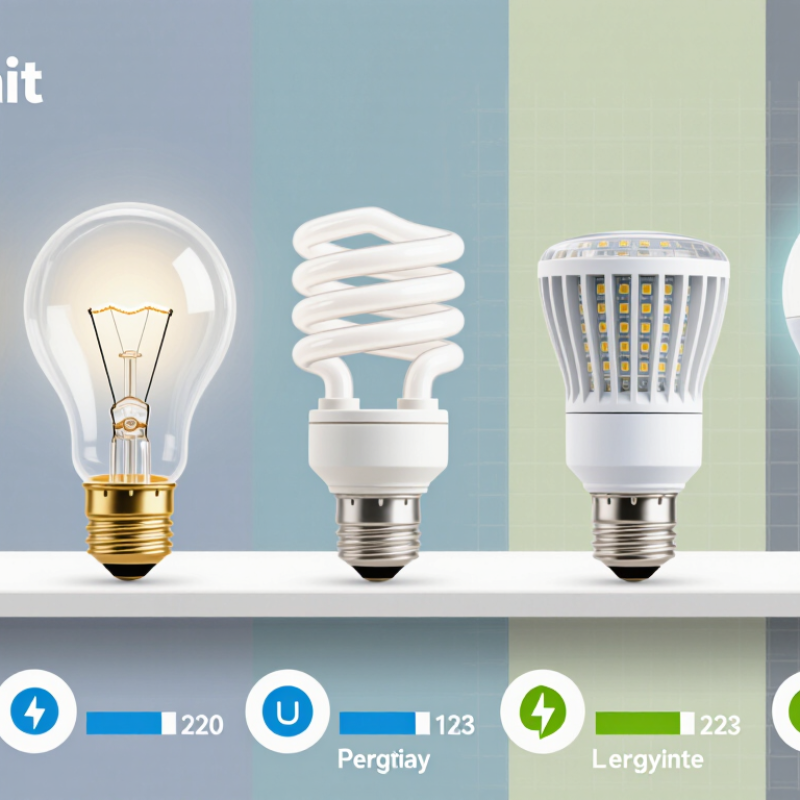
This guide explains How to compare prices of different light bulb types by looking beyond the checkout total. We will compare incandescent, halogen, CFL, standard LED, and smart LED bulbs by purchase price, lumens, watts, rated life, and useful features. ENERGY STAR product guidance and DOE efficiency information can help readers check performance claims. Package labels also offer practical clues, including brightness and estimated energy use.

Check the assumptions. Electricity rates, daily use, and dimmer compatibility vary between homes, so payback estimates are not promises. A common comparison mistake is treating a bulb’s rated lifespan as guaranteed; actual performance depends on product quality and operating conditions. Prices also shift by retailer and region. Even a careful table can miss a detail, such as whether a bulb fits an enclosed fixture. The goal is a clear, useful comparison—not false precision.
How to Compare Prices of the Best Light Bulb Types in 2026?

Identify the Main Light Bulb Types Available in 2026

In 2026, LED bulbs are the standard choice for many homes. They use relatively little electricity and come in warm, neutral, and cool white shades. Compare brightness in lumens, not watts: a 9-watt LED can provide light similar to an older, higher-wattage bulb. Check the package for expected lifespan and dimmer compatibility. Small details matter.

Smart LED bulbs add app controls, scheduling, and adjustable color, but usually cost more upfront. Their extra features may be unnecessary for a hallway or pantry. CFL bulbs remain in circulation, though they are less common; they can take time to reach full brightness and may contain a small amount of mercury. Handle them carefully. Halogen bulbs give crisp light and often fit older fixtures, but typically use more power than LEDs. Availability and efficiency rules vary by location.

Specialty bulbs include tubes, appliance bulbs, and outdoor models designed for specific temperatures or moisture exposure. Match the base and bulb shape to the fixture before comparing prices. A cheap bulb is not a bargain if it flickers in a dimmer or fails outdoors. Compare purchase price alongside estimated energy use and rated life. The math is imperfect: actual lifespan depends on daily use, heat, and switching habits. Check the label, and treat projected savings as estimates rather than guarantees.

Compare Purchase Prices by Bulb Type and Brightness

How to Compare Prices of the Best Light Bulb Types in 2026?
Compare Purchase Prices by Bulb Type and Brightness

Compare bulbs by lumens, not watts. Lumens show how much light a bulb produces; watts show its energy use. For a fair shelf-price check, compare bulbs near 800 lumens, a common brightness for a table lamp. In 2026, an LED in this range may cost about $2–$8, while a compact fluorescent bulb may cost $2–$6. Halogen bulbs may be cheaper upfront, often around $1–$4. These are broad estimates, not fixed prices. Packs, local markets, and dimmable features can change the cost.

At higher brightness, such as 1,100 lumens, prices may rise, especially for LEDs with extra features. Check the price per bulb in multipacks; the large number on the package can be misleading. Also check the color temperature and whether the bulb fits your fixture. I still catch myself comparing wattage out of habit. That can make a lower-brightness bulb look like a bargain when it is not.

Tips: Write down the lumens and single-bulb price before comparing. Check package quantity, too. A quick phone note helps. If brightness differs, the price comparison needs another look.

Assess Energy Use and Estimated Electricity Costs

When comparing light bulbs in 2026, purchase price tells only part of the story. Check the wattage on the package, then estimate how many hours each bulb will run. A 9-watt LED used five hours daily consumes about 16.4 kilowatt-hours per year. That is modest. A 60-watt bulb with similar brightness uses nearly 110 kilowatt-hours over the same period.

Estimate electricity cost by multiplying annual kilowatt-hours by your price per kilowatt-hour. At 20 cents per kWh, the 9-watt example costs about $3.28 yearly. The 60-watt bulb costs about $21.90. Rates vary by location and plan, so use the rate on your own bill rather than a broad average. Check whether your estimate should include extra usage from dimmers or other controls.

Compare bulbs with similar lumen output; wattage alone does not show how bright a bulb will feel. Add likely replacement costs using the rated lifespan, but treat that number as an estimate. A hallway bulb switched on often may behave differently from one used steadily in a living room. My own usage notes are imperfect, yet tracking a typical week can make the estimate more realistic. Small differences add up.

How to Compare Prices of the Best Light Bulb Types in 2026?

Estimated annual electricity use and cost for bulbs producing roughly 800 lumens.

Estimates assume one bulb is used for 3 hours per day for 365 days, with electricity priced at $0.16 per kWh. The comparison uses typical wattages for similar light output: LED 9 W, CFL 14 W, halogen 43 W, and incandescent 60 W. Actual costs vary by electricity rate, bulb performance, and usage. These figures cover electricity only, not the purchase price of bulbs.

Include Lifespan and Replacement Costs in Price Comparisons

A bulb’s shelf price tells only part of its cost. Compare the purchase price with rated lifespan and how often each bulb may need replacing. For a fair estimate, divide the hours you expect to use a bulb by its rated life, then multiply by its price. A bulb used three hours daily runs about 1,095 hours each year. Rated lifespans are estimates, not guarantees.

For illustration, compare a $4 bulb rated for 15,000 hours with a $1 bulb rated for 1,000 hours. Across 15,000 hours, the first would require one purchase, while the second could require about 15. That makes bulb costs roughly $4 versus $15, before counting electricity. Small difference? Not here. Actual prices and lifespans vary, so use figures from the product packaging rather than treating this example as a market quote.

Replacement access matters, too. A high ceiling may make each change more time-consuming, while frequent switching or heat can affect real-world lifespan. I once left replacement frequency out of a simple price comparison; the cheaper bulb looked like the clear winner. It wasn’t a complete comparison. Check the fitting and expected use, then include both replacement purchases and any practical effort involved.

Check Compatibility, Dimming, and Other Features Before Buying

Before comparing prices in 2026, check whether each bulb fits your fixture. Match the base type and bulb shape, then confirm the fixture’s maximum wattage. LED bulbs use less power than many older bulb types, but a low purchase price is not the whole cost. Compare stated energy use and rated lifespan, and remember that real results depend on how often the light is switched on.

Check dimming carefully. A bulb marked “dimmable” may still flicker or buzz with an incompatible dimmer. If possible, confirm the dimmer’s supported bulb type and test the setup in the room where it will be used. Small details matter. Color temperature also changes how a space feels: warm light can suit a bedside lamp, while cooler light may work better over a task area. Not always, though; personal preference counts.

Look for practical features before paying extra. Enclosed fixtures can trap heat, so confirm that the bulb is rated for that use. For damp areas, check the product’s suitability rather than guessing from its appearance. Smart features may add convenience, but only if they work with your existing controls and network. Compare equivalent brightness, not just wattage or package price. A cheaper bulb can be a poor value if it does not fit, dim smoothly, or last as expected. I’ve found that packaging claims are useful, but the fixture’s manual is often the better check.

FAQS

How should I compare bulb prices fairly?

Compare bulbs with similar brightness, measured in lumens. Around 800 lumens suits many table lamps. Check the price per bulb, not just the pack price.

What do bulbs around 800 lumens cost in 2026?

Broad estimates range from $2–$8 for LEDs, $2–$6 for compact fluorescent bulbs, and $1–$4 for halogen bulbs. Prices vary by market and features.

Why compare lumens instead of watts?

Lumens indicate how much light a bulb produces. Watts indicate energy use. I still catch myself comparing watts out of habit.

How do I include lifespan in a price comparison?

Divide expected use hours by the bulb’s rated lifespan, then estimate replacement purchases. A $4 bulb rated for 15,000 hours may cost less over time than fifteen $1 bulbs rated for 1,000 hours each.

How much might three hours of daily use add up to?

That is about 1,095 hours each year. Rated lifespans are estimates, not guarantees. Small difference? Check the package details.

What should I check before buying a bulb?

Match the base and shape to your fixture. Check its maximum wattage and the bulb’s suitability for enclosed or damp spaces.

Will every dimmable bulb work with my dimmer?

No. An incompatible setup may flicker or buzz. Check the dimmer’s supported bulb type, and test it in the room if possible.

Are extra features always worth paying for?

Not always. Smart controls, color temperature, and dimming can affect the price, but only pay extra for features you will use. The fixture manual can be more helpful than packaging alone.

Conclusion

Choosing the right light bulb in 2026 means looking beyond its shelf price. Start by comparing the main options, such as LED, halogen, and compact fluorescent bulbs, then match their brightness to your needs. How to compare prices of different light bulb types depends on considering both the initial purchase cost and the amount of electricity each bulb is expected to use over time. A bulb that costs more upfront may be less expensive to operate if it uses less energy.

Lifespan also affects overall value: longer-lasting bulbs can reduce how often you need replacements and the related costs. Before buying, check that the bulb fits your fixture and provides the features you want, including dimming support and suitable light color. Comparing purchase price, brightness, estimated electricity costs, expected lifespan, and compatibility together offers a clearer picture of each bulb’s long-term cost and usefulness.

Isabella

Isabella

Isabella is a dedicated marketing professional with a sharp focus on driving brand growth and engagement through strategic content creation. With an extensive background in digital marketing, she combines her passion for storytelling with her keen understanding of industry trends to deliver......