When considering lighting options, many people ask, "What is the difference between LED and incandescent bulbs?" This inquiry is crucial as it impacts energy consumption and costs. According to the U.S. Department of Energy, LED bulbs use at least 75% less energy than incandescent bulbs. This significant difference highlights the efficiency of LEDs.
Experts emphasize the longevity of LED bulbs. Dr. Jane Lightman, an industry specialist, once stated, "LEDs can last up to 25 times longer than traditional incandescent bulbs." This durability is appealing, especially in commercial settings where replacement costs can add up. However, there are aspects to consider. Initial costs for LEDs are higher. That can be a barrier for consumers and businesses alike.
Furthermore, while LEDs are energy-efficient, some users miss the warm glow of incandescent bulbs. Personal preference often plays a role in lighting choices. It is essential to weigh immediate costs against long-term savings. In many cases, the better option might not be what is expected. A careful comparison can lead to a more informed decision.
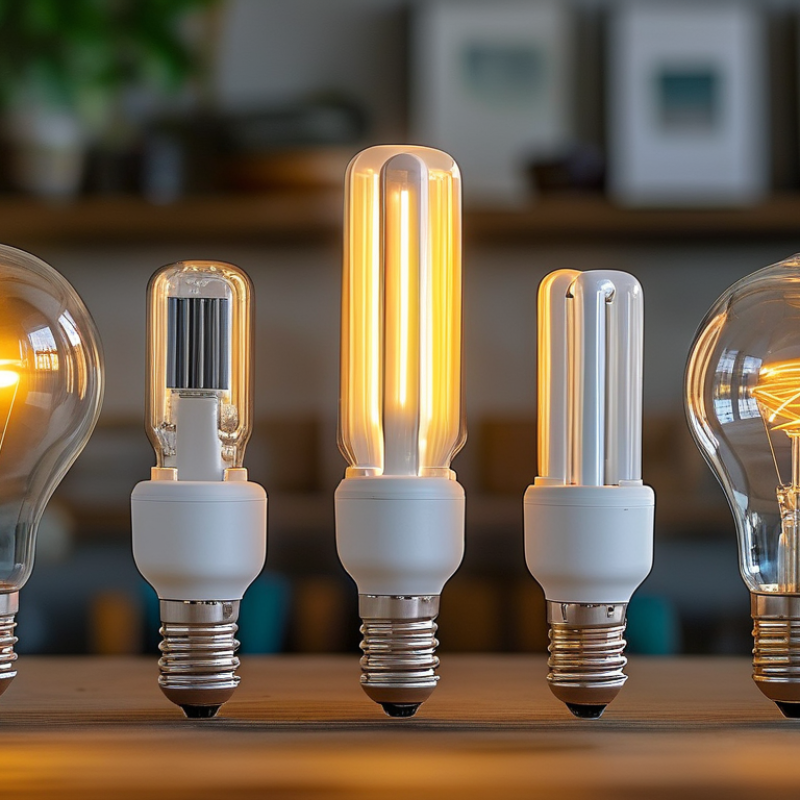
Comparison of Light Output: LED vs. Incandescent Bulbs
LED and incandescent bulbs differ significantly in light output and efficiency.
LEDs produce more lumens per watt. According to the U.S. Department of Energy, LEDs can generate about
80% more light than incandescent bulbs for the same amount of energy consumed.
An LED may emit around 800 lumens using only 10-12 watts,
whereas an incandescent bulb requires about 60 watts for similar brightness.
This stark difference makes LEDs a more energy-efficient choice for homeowners.
Tips: When choosing bulbs, consider lumen output rather than wattage. Lumen ratings provide a clearer picture of brightness.
Incandescent bulbs have a warm light, which many people find pleasant. However, their energy consumption leads to
higher electricity bills. Even with dimmers, they produce heat, which can affect their overall efficiency.
Conversely, LED bulbs stay cool, reducing energy loss.
Tips: To maximize efficiency, try using LED bulbs in areas where lights remain on for long periods. This can significantly lower energy costs over time.
Energy Efficiency: How LED and Incandescent Bulbs Differ
When considering energy efficiency, LED bulbs shine brightly against incandescent ones. LEDs use about 75% less energy to produce the same amount of light. This remarkable efficiency translates into lower electricity bills and less environmental impact. On average, an LED bulb lasts approximately 25,000 hours, while an incandescent bulb may only offer about 1,000 hours of use. This means fewer replacements and less waste over time.
However, it’s important to recognize that LED bulbs can have a higher upfront cost. Many people hesitate to switch because of this initial expense. Yet, the long-term savings in energy costs often outweigh the initial investment. Some consumers report that the light output of LEDs feels different compared to incandescent bulbs. It can take time to adjust to the unique quality of LED lighting.
Ultimately, energy efficiency is a significant factor when choosing between LED and incandescent bulbs. Each option has its own pros and cons. Choosing the right bulb depends on personal preferences and specific lighting needs. It’s worthwhile to weigh these differences thoughtfully before making a decision.
Lifespan Comparison: Longevity of LED and Incandescent Bulbs
When comparing the lifespan of LED and incandescent bulbs, it’s clear that LEDs dominate. An incandescent bulb typically lasts about 1,000 hours. In contrast, an LED can shine for 25,000 to 50,000 hours. This longevity is one of the key reasons why many consumers prefer LEDs. They reduce the frequency of replacements, saving time and effort.
LED bulbs are energy-efficient and have a lower heat output. This efficiency contributes to their longer lifespan. However, not all LEDs are created equal. Some cheaper options might not last as advertised. In the end, investing in quality is essential. While the upfront cost is higher, the long-term savings are significant due to lower energy bills and fewer replacements.
In some scenarios, incandescent bulbs may still have a place. They produce a warm light that many find comforting. However, they fall short in energy efficiency and longevity. We must balance aesthetic preferences with practical needs. Choosing the right bulb involves careful consideration of both lifespan and individual lighting goals.
Light Quality and Color Temperature in Both Bulb Types
When comparing LED and incandescent bulbs, light quality and color temperature play significant roles.
Incandescent bulbs emit a warm light with a color temperature around 2700K. This soft glow creates a cozy atmosphere, making it popular for homes. However, the quality of light can sometimes feel overly yellow or dim.
LED bulbs, on the other hand, offer a broader range of color temperatures. They can produce warm white, cool white, and even daylight color temperatures. This versatility allows users to choose lighting that best fits their needs. Many people appreciate the bright, crisp quality of LED lights. Yet, some might find the cooler tones to feel harsh or sterile.
Tip: When selecting bulbs, consider the purpose of the space. For relaxation areas, warmer tones might be preferable. In workspaces, cooler tones could enhance focus.
Despite their energy efficiency, LED bulbs sometimes flicker or display uneven brightness. Not all LEDs provide the same light quality. It’s crucial to look for high-quality options for better performance.
Tip: Test different bulbs in your home before committing to a bulk purchase. This can prevent dissatisfaction later.
Cost Analysis: Initial and Long-Term Expenses of Each Bulb
When evaluating the cost of LED versus incandescent bulbs, initial expenses can differ greatly. LED bulbs typically cost around $5 to $15 each, while incandescent options usually range from $1 to $3. Although the upfront cost of LEDs is higher, their longevity can be a game-changer. LED bulbs last about 25,000 hours, compared to only 1,000 hours for incandescent bulbs. This means you replace LEDs far less often.
In terms of long-term costs, the savings with LEDs become clear. According to the U.S. Department of Energy, LED bulbs use at least 75% less energy than incandescent ones. If you leave a bulb on for 10 hours a day, an incandescent bulb can cost around $6 each year in electricity. In contrast, the annual cost of using an LED bulb drops to just over $1. Over time, this difference accumulates, making LEDs much more economical despite their higher initial cost.
However, it’s important to note that not all LED bulbs perform equally. Some may not produce consistent light quality, or they may dim over time. The energy savings and longevity of LEDs are significant, yet consumers should consider the specific characteristics of different products. This level of scrutiny ensures you choose a bulb that truly meets your needs.
FAQS
: LED bulbs use about 75% less energy than incandescent bulbs for the same light output.
An LED bulb lasts around 25,000 to 50,000 hours, significantly longer than incandescent bulbs.
The higher upfront cost of LED bulbs can make some people hesitant to switch.
LED bulbs have a lower heat output compared to incandescent bulbs, improving safety.
Yes, some cheaper LED bulbs might not last as long as advertised, making quality important.
Incandescent bulbs emit a warm light that many people find comforting and appealing.
Energy efficiency helps lower electricity bills and reduces environmental impact over time.
Yes, individual preferences and desired lighting effects should be considered when selecting bulbs.
While generally beneficial, savings depend on usage and initial investment considerations.
It's essential to balance aesthetic preferences with practical needs for effective lighting.
Conclusion
When considering what is the difference between LED and incandescent bulbs, several key factors come into play. First, light output varies significantly between the two; LEDs typically produce more light with less energy consumption. Energy efficiency is another major difference, with LEDs consuming approximately 75% less energy compared to incandescent bulbs. Additionally, the lifespan of LEDs greatly outstrips that of incandescent bulbs, lasting up to 25 times longer.
In terms of light quality, both offer unique color temperatures, catering to different user preferences. Finally, a cost analysis reveals that although the initial purchase price of LED bulbs may be higher, their long-term cost benefits outweigh those of incandescent bulbs due to lower energy bills and longer lifespans. Overall, the comparison highlights the advantages of LED technology in various aspects.
 Sass Lighting
