Sass Lighting Sass Lighting

Top 10 Ways to Extend Lifespan of Light Bulbs for Buyers?

Time:2026-06-16 Author:Sophia
0%

When it comes to household lighting, many people overlook the importance of maintaining their light bulbs. Understanding how to extend the lifespan of light bulbs can lead to significant savings and less waste. Each bulb has a limited life, and improper usage can shorten that time. What if you could stretch its longevity through simple practices?

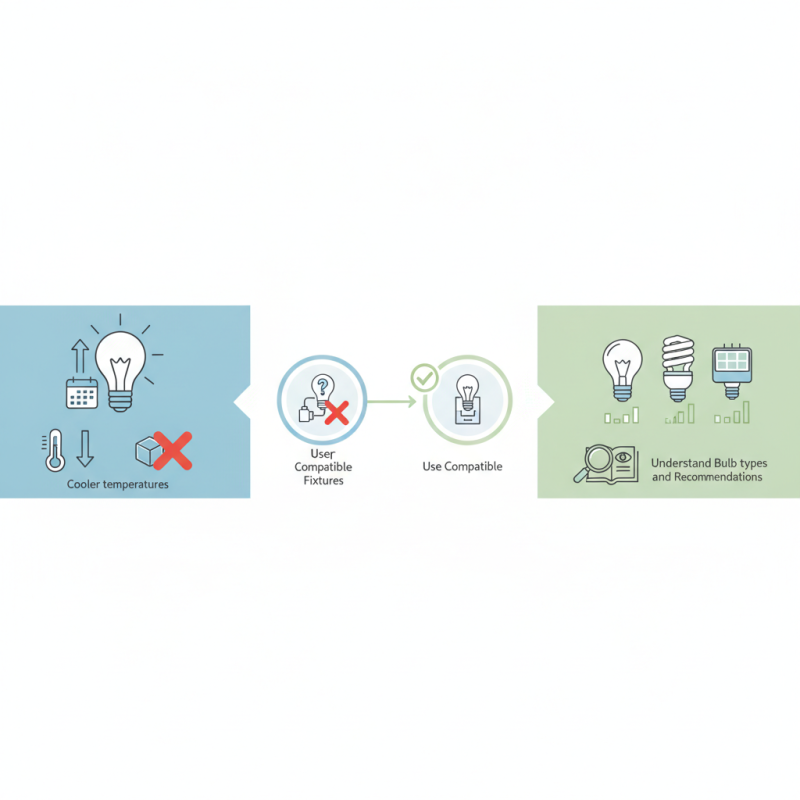
Adopting the right habits can preserve the brightness and efficiency of your bulbs. For example, consider the temperature of the environment where bulbs are used. Heat can reduce their lifespan. Additionally, using compatible fixtures plays a vital role. Many make the mistake of mismatching bulbs with fixtures, leading to premature burnout.

It is essential to discuss the different types of bulbs available as well. Each has its lifespan expectations and usage recommendations. Understanding these factors helps in making informed decisions. Investing time to learn how to extend the lifespan of light bulbs ensures a well-lit home and responsible consumption.
Top 10 Ways to Extend Lifespan of Light Bulbs for Buyers?

Understanding the Lifespan of Different Light Bulb Types

Understanding the lifespan of different light bulb types is crucial for making informed purchases. Incandescent bulbs typically last around 1,000 hours. Their warm glow is pleasant but they consume more energy. This shorter lifespan means more frequent replacements, which can add to costs in the long run.

Compact fluorescent lamps (CFLs) shine a bit longer. They last about 7,000 hours, providing a more energy-efficient option. However, their light can appear harsh, and some users report flickering issues over time. These bulbs generally require careful disposal due to containing small amounts of mercury.

LED bulbs are rapidly becoming the favored choice. With a lifespan of up to 25,000 hours, they significantly reduce the need for replacements. They emit a bright, focused light but can be sensitive to extreme temperatures. While they initially cost more, their longevity often leads to savings. Understanding different types helps consumers make choices that align with their needs and preferences.

Top 10 Ways to Extend Lifespan of Light Bulbs for Buyers

Light Bulb Type Average Lifespan (Hours) Tips for Longevity
Incandescent 1,000 Use in fixtures that are turned off when not needed.
Halogen 2,000 Avoid touching the bulb with bare hands to prevent oil damage.
CFL (Compact Fluorescent Lamp) 10,000 Use in areas where the light will be on for longer periods.
LED (Light Emitting Diode) 25,000 Keep in a cool environment to prevent overheating.
Smart Bulbs 15,000 Update firmware when available for optimal performance.

Proper Installation Techniques for Maximizing Light Bulb Lifespan

Proper installation plays a crucial role in extending the lifespan of light bulbs. Using the correct wattage is essential. Overloading a bulb can lead to overheating. It’s vital to check compatibility with fixtures. This can prevent damage and premature burnout.

Additionally, ensure the bulb is securely fitted. A loose connection can cause flickering or it may not turn on at all. Dust and dirt can accumulate, impacting efficiency. Regularly cleaning the bases of bulbs can help maintain optimal performance.

Consider the environment in which the bulb is installed. Avoid placing bulbs in areas prone to moisture or extreme heat. These conditions can significantly reduce their lifespan. Using dimmers and smart controls can also manage energy use. This not only saves money but helps the bulb last longer. Taking these simple steps can lead to better and more reliable lighting solutions.

Energy Efficiency and Its Impact on Light Bulb Longevity

Energy efficiency plays a crucial role in extending the lifespan of light bulbs. Many buyers often overlook this aspect when selecting their lighting options. Using energy-efficient light bulbs not only reduces electricity costs but also enhances longevity. More efficient bulbs generate less heat, which minimizes stress on internal components. This leads to a longer functional life.

Tip: Choose LED or CFL bulbs. These options use significantly less energy compared to traditional incandescent bulbs. They have a lifespan of about 15,000 to 50,000 hours. This investment may seem high initially but pays off in the long run.

Another important factor is proper installation and usage. Overcrowding fixtures with too many bulbs or using a wattage higher than recommended leads to overheating. This can shorten the lifespan of your bulbs tremendously.

Tip: Avoid dimming switches unless your bulbs are designed for it. Dimming can create instability, resulting in flickering or a sudden burnout. Regular maintenance, like dusting fixtures, ensures optimal light output while allowing bulbs to function efficiently for longer periods.

Energy efficiency directly impacts light bulb longevity. Being mindful of choices and practices can lead to significant savings and reliable lighting in your home.

Maintenance Tips to Help Extend the Life of Your Light Bulbs

Improving the lifespan of light bulbs starts with proper maintenance. Regularly dusting the bulbs can prevent heat buildup, a common cause of premature burnout. According to the U.S. Department of Energy, LED bulbs can last up to 25,000 hours, significantly more than incandescent bulbs. However, neglecting to clean them can reduce this time by up to 10%.

Another essential aspect is proper installation. Ensure that bulbs are not too tightly screwed into fixtures. Over-tightening can damage the socket and decrease lifespan. Electrical connections should be secure but not excessively firm. It's worth noting that poor fitting can lead to flickering and inconsistent performance, which can frustrate users.

Temperature control also plays a role. Light bulbs function best in moderate conditions. Extreme heat or cold can adversely impact their operation. For instance, keeping bulbs away from heat sources helps maintain their longevity. Proper temperature management is crucial yet often overlooked, leading to a significant waste of resources. By taking these simple steps, homeowners can extend the life of their light bulbs effectively.

Choosing the Right Environment for Optimal Light Bulb Performance

Creating the right environment is crucial for maximizing the lifespan of light bulbs. Temperature plays a significant role. For instance, incandescent bulbs thrive in moderate conditions. Extreme heat or cold can lead to premature burnout. Ensuring your bulbs are in temperature-stable areas can extend their life significantly.

Humidity also impacts performance. Excessive moisture can cause electrical components to corrode. If you live in a humid environment, consider using sealed fixtures. This simple adjustment can protect the bulb and enhance its durability.

Tip: Avoid placing bulbs in enclosed spaces without ventilation. This can lead to overheating.

Proper fixture selection matters too. Using fixtures designed for specific bulb types ensures optimal performance. Poor fixture choices can strain bulbs, causing flickering or short lifespans. Make sure to match your bulbs with the right fixtures for the best outcome.

Tip: Regularly check your fixtures for dust build-up. Dust can trap heat, further reducing bulb lifespan.

Top 10 Ways to Extend Lifespan of Light Bulbs

FAQS

: How long do incandescent bulbs typically last?

: Incandescent bulbs usually last around 1,000 hours. Frequent replacements add to long-term costs.

What is the lifespan of compact fluorescent lamps (CFLs)?

CFLs last about 7,000 hours. However, they can flicker and have harsh lighting.

Why are LED bulbs preferred over traditional options?

LED bulbs can last up to 25,000 hours, reducing the need for replacements and saving money.

How does energy efficiency affect light bulb lifespan?

Energy-efficient bulbs reduce electricity costs and generate less heat, extending their functional life.

What can shorten a light bulb’s lifespan?

Overcrowding fixtures and using higher wattage can cause overheating, leading to premature burnout.

What environment is best for light bulb performance?

Moderate temperatures and low humidity are ideal for maximizing a bulb's lifespan.

How can poor fixture choices affect light bulbs?

Using incorrect fixtures can strain light bulbs, causing flickering and shorter lifespans.

Why is regular maintenance important for light bulbs?

Regularly dusting fixtures ensures optimal output and can significantly extend a bulb’s life.

Is it safe to use dimming switches with all bulbs?

Not all bulbs work well with dimming switches. Using them can result in flickering or burnout.

What simple adjustments can increase bulb durability in humid environments?

Use sealed fixtures to protect bulbs from moisture and extend their lifespan.

Conclusion

To understand how to extend the lifespan of light bulbs, one must first recognize the different types available and their inherent longevity. Proper installation techniques play a crucial role, as ensuring that bulbs are fitted correctly can prevent unnecessary stress and damage. Additionally, energy efficiency should not be overlooked; using energy-efficient bulbs can significantly impact their lifespan, reducing energy waste and extending usage.

Maintaining your light bulbs is essential for longevity. Regularly cleaning them and avoiding frequent on-off switching can help preserve their performance. Furthermore, creating the right environment—such as using appropriate fixtures and controlling temperature—can optimize bulb performance. By following these strategies, consumers can effectively learn how to extend the lifespan of light bulbs, ensuring they last longer and perform better while saving on energy costs.

Sophia

Sophia

Sophia is a dedicated marketing professional with an exceptional depth of knowledge about her company's products and services. With a keen understanding of market trends and customer needs, she crafts insightful blog posts that not only inform but also engage readers, enriching the company’s online......