Sass Lighting
Flickering light bulbs are a common issue that can disrupt your home’s comfort. Understanding how to fix flickering light bulb issues is essential for any homeowner. According to the National Electrical Manufacturers Association (NEMA), around 30% of households experience this problem at some point. The causes can range from loose connections to faulty fixtures and even wiring issues.
Expert electrician John Smith, who has over 15 years in the field, states, "Identifying the root cause of flickering lights is crucial before attempting a fix." His insights emphasize the need for thorough diagnostics. Homeowners often overlook simple solutions, such as checking connections or replacing outdated bulbs. However, addressing these common issues can lead to significant improvements.
Fixing flickering bulbs not only enhances your living space but can also prevent potential hazards. Continuous flickering may indicate an underlying electrical issue, which requires immediate attention. This topic is not just about convenience; it touches on safety, energy efficiency, and home integrity. Understanding how to fix flickering light bulb issues equips homeowners with the knowledge to maintain a stable and safe environment.
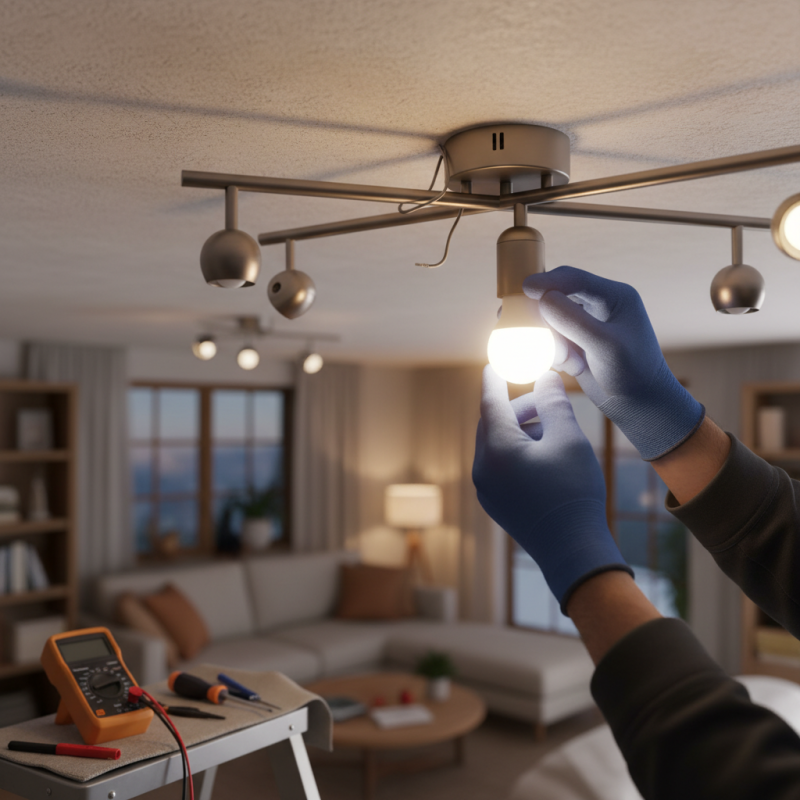
Flickering light bulbs can be quite annoying. They often indicate underlying issues that require attention. Common causes include loose connections, faulty switches, or incompatible bulbs. A loose connection can create a poor electrical flow, leading to flickering. Check the bulb's socket and the wiring. Sometimes, it might just need a slight adjustment.
Another reason for flickering is faulty switches. If a switch hisses or crackles, it likely needs to be replaced. Older homes might not support newer energy-efficient bulbs, which can cause flickering as well. It’s essential to identify these issues early. Ignoring them could lead to more significant electrical problems in the future.
Finally, sometimes the issue lies in the bulb itself. Low-quality bulbs may flicker regardless of the fixture. It’s important to choose reliable products. Swapping out the bulb for a higher quality one can make a significant difference. Ensuring that all components are in good condition can help eliminate flickering and provide a consistent light source.
| Cause | Description | Solution |
|---|---|---|
| Loose Bulb | The light bulb is not securely fastened. | Tightly screw the bulb into the socket. |
| Faulty Light Fixture | Problems within the light fixture itself. | Check the fixture wiring or replace the fixture. |
| Incompatible Dimmer Switch | Using a dimmer switch not suited for the bulb type. | Replace with a compatible dimmer switch. |
| Electrical Wiring Issues | Loose or damaged wiring in the electrical system. | Consult a licensed electrician to assess and repair. |
| Voltage Fluctuations | Inconsistent voltage supply from the grid. | Use a voltage stabilizer or consult your energy provider. |
When dealing with flickering light bulbs, checking the installation is crucial. Many people overlook the importance of secure fittings. A loose bulb can cause voltage fluctuations, leading to flickering. Ensure the bulb is tightened properly in its socket. It should fit snugly without forcing it.
Compatibility issues can also be a problem. Not all light bulbs work with every fixture. For example, LED bulbs may flicker if used in dimmer switches not designed for them. It’s essential to check whether the bulb is compatible with the fixture specifications. Look for any instructions regarding wattage and types of bulbs recommended.
Sometimes, it’s not just the bulb or the socket. Inspect the wiring and connections in your home. Loose or damaged wires can lead to intermittent lighting issues. If you notice frayed wires or loose connections, it might be time for a professional evaluation. DIY fixes can be tempting, but hiring an electrician ensures safety and reliability. Always prioritize safety over convenience.
Flickering light bulbs can be more than just a nuisance. They often indicate underlying issues in your electrical wiring and connections. Inspecting these areas is crucial for safety and functionality. Faulty wiring can lead to dangerous situations like electrical fires. Therefore, it’s essential to be thorough in your examination.
Start by checking the light fixture itself. Loose connections can cause flickering. Ensure that the bulb is securely fitted. Turn off the power before touching any wires. Look for frayed or damaged cables. If you notice any, they should be replaced immediately. Consider using a multimeter to gauge the voltage in the circuit. Unstable voltage readings might point to deeper problems in your electrical system.
Don’t overlook the importance of the electrical panel. Connections there can wear down over time. A worn-out breaker or a loose wire can lead to light flickering throughout your home. If you're unsure, it’s wise to consult a professional electrician. Their expertise can provide a reliable assessment of your wiring. This step is vital for ensuring both safety and the longevity of your lighting fixtures.
Flickering light bulbs can often be traced back to faulty dimmer switches. These switches control the power flow and can lead to inconsistent lighting. When experiencing flickering, it's essential to inspect the dimmer unit.
Begin by turning off the power supply to the switch. Remove the cover plate and unscrew the dimmer from the electrical box.
Inspect the wiring connections for any signs of damage or loose connections. Ensure that all wires are secured tightly. A loose connection can cause the power to fluctuate, resulting in flickering lights. If everything appears fine, consider replacing the dimmer with a compatible unit. Choose one that matches your bulb type to avoid further issues.
Testing your dimmer switch is a crucial step. Use a multimeter to check for continuity. If you detect any irregularities, it's time for a replacement.
Installing a new dimmer can bring a significant improvement. Still, always reflect on your electrical knowledge. If unsure, seeking professional help is wise. Your safety should always be prioritized.
Flickering lights can often feel like a minor annoyance. However, they can signal bigger problems in your electrical system. According to the National Fire Protection Association (NFPA), electrical failures cause thousands of house fires each year. It's essential to pay attention to flickering bulbs, especially if they become frequent. When this happens, it's wise to consult a professional electrician.
Certain situations indicate the need for expert help. If a single bulb flickers, it may just be a loose connection. However, if multiple fixtures are flickering simultaneously, this could suggest an overloaded circuit. The Electric Safety Foundation International (ESFI) notes that over 60% of electrical fires result from faulty wiring or devices, demonstrating the importance of addressing flickering light issues promptly.
Homeowners should avoid attempting complex fixes themselves. Modifying wiring or circuits can lead to serious risks, including electric shock. A qualified electrician can evaluate your system’s health effectively. They have the expertise to identify potential fire hazards. Additionally, they can recommend preventive measures for your home. Don’t hesitate to seek professional help when flickering persists. Ignoring these early warning signs can lead to severe consequences.
This chart presents the various common causes of flickering light bulb issues, as well as their relative frequency. Identifying these causes can help homeowners determine whether they need to fix the issue themselves or consult a professional electrician.
: Common causes include loose connections, faulty switches, or incompatible bulbs.
A loose connection creates poor electrical flow, leading to flickering lights.
Inspect the bulb's socket and wiring. Sometimes, a slight adjustment is all it needs.
If a switch hisses or crackles, it likely needs replacement.
Yes, older homes might not support newer bulbs, leading to flickers.
Low-quality bulbs may flicker regardless of the fixture; choosing reliable products helps.
If multiple fixtures flicker, it's time to seek expert help for potential overloaded circuits.
Attempting complex fixes can lead to electric shock and other serious hazards.
Electricians can evaluate your system and identify fire hazards effectively.
Ignoring flickering can lead to severe consequences, including electrical failures and fire risks.
Flickering light bulbs can be frustrating, but understanding the common causes can help you address these issues effectively. In the first step, it's vital to identify potential problems such as loose connections, incompatible bulbs, or faulty dimmer switches. Ensuring that light bulbs are properly installed and compatible with your fixtures is crucial for preventing flickering. Additionally, examining the electrical wiring for any faults is essential, as damaged wiring can lead to inconsistent power flow.
If dimmer switches are involved, testing and replacing them may resolve the flickering issue. However, in some cases, the problem might be more complex, necessitating the expertise of a professional electrician. Overall, knowing how to fix flickering light bulb issues empowers homeowners to take control of their lighting problems and enjoy a stable and comfortable environment.
