Light bulbs rarely fail without clues. A lamp that flickers, runs unusually hot, or burns out often may be reacting to its surroundings, not simply poor quality. How to extend the lifespan of light bulbs starts with matching the bulb to the fixture and checking the conditions around it. Heat trapped beneath a tight shade, frequent switching, vibration, and an incompatible dimmer can all affect service life. Small details matter. Check the package and fixture instructions before replacing a bulb; wattage, bulb type, and dimmer compatibility are not interchangeable guesses.
The practical steps are usually simple: keep vents clear, handle bulbs gently, avoid overtightening them, and switch off power before installation. For enclosed fixtures, use only bulbs marked suitable for that use. LEDs often last longer than older bulb types, but their drivers can still fail when heat builds up or the product is poorly matched. A longer-rated bulb is not a guarantee. It is tempting to blame the bulb alone, but wiring, sockets, or voltage problems may be involved. If repeated failures continue, or you notice scorching, a burning smell, or a loose socket, stop using the fixture and ask a qualified electrician to inspect it. There is no single fix for every home. The guidance that follows focuses on realistic habits, clear product labels, and when a problem deserves expert attention—because careful use helps, but cannot make any bulb last forever.
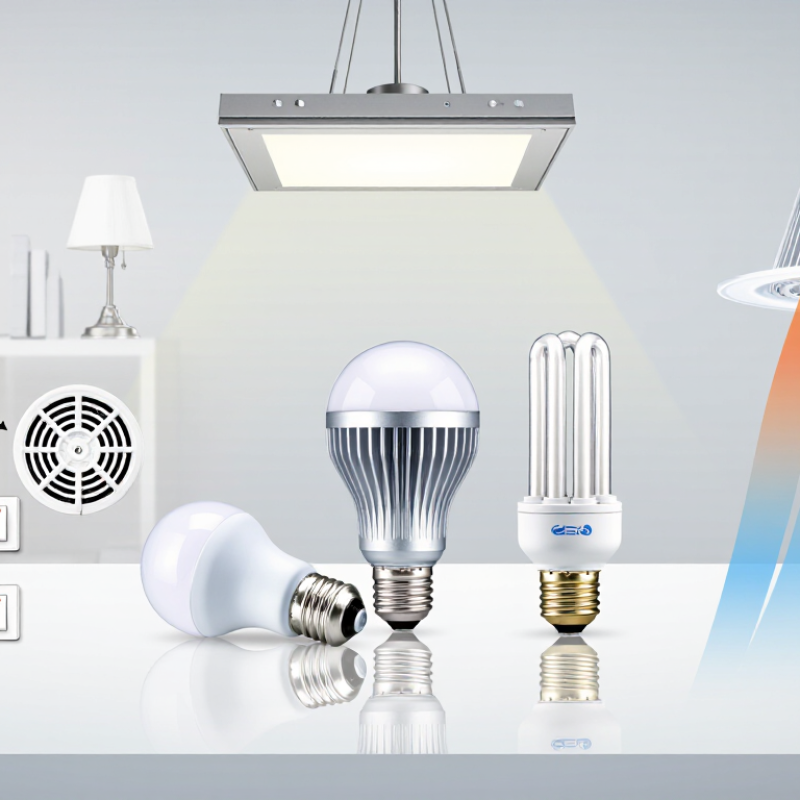
Factors That Affect Light Bulb Lifespan
Light-bulb lifespan depends on heat, electrical conditions, and how often the lamp is used. Heat matters. Enclosed fixtures can trap warmth, especially around bulbs not rated for enclosed spaces. Excessive heat can speed wear in many bulb types. Check the fixture label and choose a bulb with the correct rating.
Switching habits matter, too. Frequent on-and-off cycles can shorten the life of some fluorescent bulbs, while LEDs generally tolerate switching better. Vibration from a rattling ceiling fan or a frequently slammed door may also affect certain bulbs. Small details count. A loose bulb or unstable electrical connection can cause flickering; switch off power before checking the fit. Dimmer compatibility is another factor: an incompatible bulb may flicker or fail early. Dust rarely explains every failure, but keeping fixtures clean can help avoid blocked ventilation. It is tempting to blame the bulb alone. The actual cause may be the fixture or operating conditions, and that can be hard to confirm without inspection.
Tips: Use bulbs with the fixture’s specified wattage and type. Keep vents clear, and use dimmer-compatible bulbs where needed. If bulbs fail repeatedly in one fixture, have the socket or wiring checked by a qualified electrician.
How to Extend the Lifespan of Light Bulbs?
Typical Rated Lifespan by Bulb Type
Bars show typical rated-life ranges, not guaranteed lifespans. Excess heat, frequent on-off cycling, vibration, and voltage fluctuations can shorten a bulb’s life. Use bulbs suited to the fixture and its operating conditions, and ensure adequate ventilation. Frequent switching can be particularly hard on some CFLs.
Typical ranges vary by product and testing conditions; check the bulb’s packaging for its rated life. Reference: U.S. Department of Energy, Energy Saver.
Choosing Bulbs Suited to Your Fixtures
Choosing bulbs suited to your fixtures can prevent early failure. Check the socket size, bulb shape, voltage, and fixture’s maximum wattage before buying. In recessed cans or enclosed glass shades, heat can build up around the bulb. Choose a bulb specifically rated for that use. For dimmer switches, confirm the bulb is marked dimmable and compatible with the control. The U.S. Department of Energy reports that LEDs use at least 75% less energy and can last up to 25 times longer than incandescent bulbs. The right fit helps protect that advantage.
Tips: Read the fixture label, then compare it with the bulb package. Look for “enclosed fixture” suitability where needed. Turn off power before replacing a bulb, and let a hot one cool. Small checks matter.
A quick confession: fixture labels are easy to overlook, especially inside a dusty shade. I’ve found that measuring the bulb’s length can help when clearance is tight. A bulb that presses against glass or sits crooked may run hotter or simply look wrong. ENERGY STAR guidance also recommends choosing bulbs suited to the fixture’s conditions, including enclosed fixtures. If a bulb repeatedly fails, check for trapped heat, a loose socket, or a mismatched dimmer before replacing it again. The fixture—not just the bulb—may be the problem.
Installing Bulbs Correctly and Safely
How to Extend the Lifespan of Light Bulbs?
Installing Bulbs Correctly and Safely
A careful installation can help prevent early bulb failure and reduce the risk of damaging the socket. Turn off the wall switch and let the old bulb cool before removing it. If the fixture is damaged or the socket is exposed, switch off power at the circuit breaker. Use a stable step stool, not a chair. Check the fixture label and choose a bulb with the correct base and permitted wattage. For enclosed fixtures, use a bulb rated for enclosed use. Small details matter.
Tips: Hold the bulb by its base, not the glass. For halogen bulbs, avoid touching the glass; oils from your fingers can create hot spots. Screw the bulb in gently until it sits snugly. Stop there. Forcing it can damage the threads or socket. If it resists, remove it and check that the base is aligned rather than pushing harder.
Once installed, restore power and check that the bulb lights steadily. Flickering may point to a loose bulb, a worn socket, or another electrical issue—not simply a short bulb lifespan. Turn the power off before inspecting anything. A bulb that repeatedly loosens or flickers deserves attention; replacing it again and again may not solve the real problem. It is easy to overlook the fixture itself.
Reducing Heat, Vibration, and Power Surges
Heat is the quiet enemy of many bulbs. In LEDs, excess heat stresses the electronic driver and can speed light-output decline. Keep bulbs clear of insulation unless their packaging specifically allows enclosed fixtures. Dust the fixture, leave ventilation gaps, and avoid placing a hot bulb in a cramped shade. Small details matter.
Vibration deserves attention, too. A bulb above a frequently slammed door or a rattling ceiling fan may loosen over time. In older filament bulbs, repeated shaking can damage the delicate filament; in any fixture, a loose connection can cause flickering. Tighten bulbs only when switched off and cool. If a socket still flickers, have it checked rather than repeatedly reseating the bulb.
Power surges can also stress LED drivers. Use a properly rated surge protector for sensitive lamps, and ask a qualified electrician about recurring surges or unstable wiring. The U.S. Department of Energy’s LED lifetime guidance distinguishes gradual lumen loss from sudden failure. IES LM-80 testing tracks LED-package light output for at least 6,000 hours; that is a test period, not a lifespan guarantee. Worth remembering. Real fixtures face heat, movement, and electrical conditions that laboratory tests may not reproduce exactly.
Using and Maintaining Bulbs Effectively
How to Extend the Lifespan of Light Bulbs?
Using and Maintaining Bulbs Effectively
A bulb’s lifespan depends on more than its label. Heat trapped inside a sealed fixture can stress an LED’s electronic components, so check whether the bulb is rated for enclosed use. Choose a bulb with a suitable brightness and color temperature, too; an overly bright lamp may tempt you to leave it switched on unnecessarily. The U.S. Department of Energy notes that LED useful life is commonly rated to the point when light output falls to 70% of its original level. A bulb may still work after that, but look noticeably dimmer.
Tips: Switch lights off when you leave a room, unless frequent switching conflicts with the fixture or bulb’s instructions. Dust bulbs and shades with a dry cloth after turning the light off and letting it cool. Keep bulbs away from dampness unless they are rated for that location. Check the packaging before installing one in a dimmer; incompatible combinations can flicker or shorten service life. Small details matter.
ENERGY STAR reports that certified LED bulbs use up to 90% less energy and can last up to 15 times longer than traditional incandescent bulbs. Those figures assume suitable conditions, not every real home. A bulb above a hot stovetop or in a poorly ventilated fitting may age faster. It is easy to overlook the fixture itself. When a bulb repeatedly fails early, inspect the socket and ventilation rather than simply replacing it again.
Conclusion
How to extend the lifespan of light bulbs begins with understanding what can shorten their useful life. Heat buildup, frequent switching, vibration, power fluctuations, and an unsuitable fixture can all contribute to early failure. Choose bulbs that match the fixture’s specifications and intended setting, and check that enclosed or recessed fixtures provide suitable ventilation for the bulb being used.
Install bulbs only when the power is off and they have cooled, handling them carefully and fitting them securely without overtightening. To reduce wear, avoid unnecessary switching, keep bulbs and fixtures clean, and limit exposure to excessive heat and vibration. Stable electrical power can also help protect bulbs from damaging surges. Regularly check for loose fittings or signs of damage, and replace bulbs safely when needed. Together, these practical choices can help bulbs work reliably for longer.
 Sass Lighting
