Sass Lighting Sass Lighting

Why are LED Bulbs More Energy Efficient Than Other Options?

Time:2026-05-05 Author:Mason
0%

LED bulbs have revolutionized how we light our spaces. Their growing popularity resides in the question, "Why are LED bulbs more energy efficient?" To understand this, we must delve into the technology behind LED lighting.

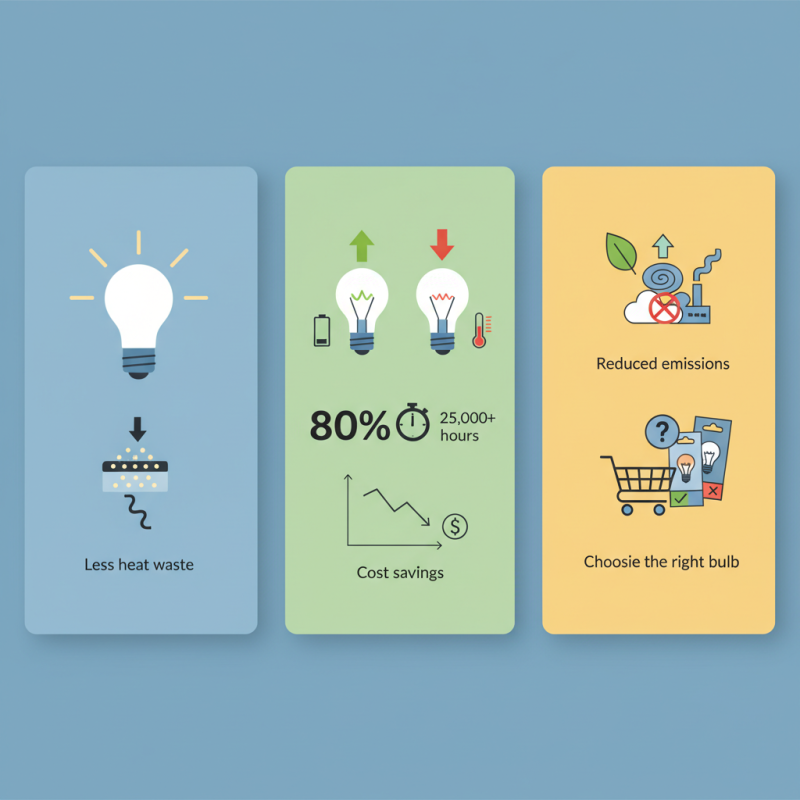
LED (Light Emitting Diode) technology uses semiconductors to produce light. This process requires less energy than traditional bulbs, which waste power as heat. The efficiency of LEDs means they consume up to 80% less energy than incandescent bulbs. Furthermore, they have a much longer lifespan, often lasting over 25,000 hours. This longevity reduces the frequency of replacements.

However, not everyone knows how to choose the right LED bulb. Misleading labels and varying quality can complicate decisions. Consumers might still be skeptical about costs upfront. It's essential to evaluate the total savings over time. The environmental impact of using LED bulbs can also be significant. Adopting them contributes to lower energy bills and reduced greenhouse emissions.
Why are LED Bulbs More Energy Efficient Than Other Options?

Understanding Energy Efficiency in Lighting Options

Energy efficiency in lighting options is a critical topic as we seek to reduce energy consumption. One of the most significant advancements in lighting technology is the LED bulb. LEDs require far less energy to produce the same amount of light compared to traditional incandescent bulbs. They convert a higher percentage of energy into light rather than heat. This means that more energy is used effectively, resulting in lower electricity bills.

Another factor contributing to energy efficiency is the lifespan of LED bulbs. They typically last much longer than other lighting options. A standard LED can last up to 25,000 hours, while an incandescent bulb may only last about 1,000 hours. This longevity reduces the frequency of replacements, resulting in less waste over time. However, the initial cost of LED bulbs can be a concern for some consumers. It's worth reflecting on whether this upfront investment balances out over the long run.

Moreover, the environmental impact of energy-efficient lighting deserves attention. Using less energy helps decrease carbon emissions, which is essential for combatting climate change. However, not all LEDs are created equal, and some may be less efficient than others. Consumers should research options to ensure they choose the most effective lighting solutions. Energy efficiency is more than just a trend; it’s a vital consideration for sustainability and cost savings.

What is an LED Bulb and How Does it Work?

LED bulbs are a type of solid-state lighting. They use a semiconductor to convert electricity into light. When current flows through the semiconductor, it excites the electrons and produces light through a process called electroluminescence. This technology is fundamentally different from traditional incandescent or fluorescent bulbs, which rely on heating a filament or exciting gas to produce light.

One exciting aspect of LED technology is its efficiency. Unlike incandescent bulbs, which waste a lot of energy as heat, LEDs focus on light output. They consume up to 80% less energy. This efficiency is not just technical; it also has environmental implications. Lower energy usage means reduced greenhouse gas emissions.

However, not all LED products are created equal. Some may have lower quality components that affect performance. The color temperature and brightness can vary significantly. Consumers must be vigilant and choose quality products. Overall, understanding how LED bulbs work lays the foundation for appreciating their advantages in energy consumption.

Comparing LED Bulbs with Incandescent and CFL Alternatives

When it comes to energy efficiency, LED bulbs stand out compared to incandescent and CFL alternatives. LED bulbs consume less power while producing the same amount of light. An LED can use about 75% less energy than traditional incandescent bulbs. This significant difference not only lowers electricity bills but also reduces the overall carbon footprint.

CFLs, or compact fluorescent lamps, are more efficient than incandescent bulbs, yet they still fall short of LED technology. CFLs can take a bit longer to reach full brightness, which can be frustrating. They contain small amounts of mercury, requiring careful disposal. LEDs, on the other hand, are free of harmful materials and last much longer, often up to 25,000 hours.

While LEDs are more expensive upfront, their longevity and energy savings make them worthwhile. The initial cost may lead to hesitation for some consumers. However, over time, the benefits become clear. Choosing the right lighting can be overwhelming, and the options available may not always suit every need. Evaluating these elements is crucial for making informed decisions.

Energy Efficiency Comparison of LED, Incandescent, and CFL Bulbs

The chart above illustrates the energy consumption of LED bulbs compared to incandescent and CFL bulbs. LED bulbs consume significantly less energy (10 Watts) compared to incandescent bulbs (60 Watts) and are also more efficient than CFL bulbs (15 Watts), making them a superior choice for energy efficiency.

Factors Contributing to the Energy Efficiency of LED Bulbs

LED bulbs have emerged as a leading choice for energy efficiency in recent years. According to the U.S. Department of Energy, LED technology uses at least 75% less energy than traditional incandescent bulbs. This impressive figure can significantly reduce electricity consumption for both households and businesses. One reason for this efficiency is how LEDs convert electricity into light. They use a semiconductor to produce light, which means less energy gets wasted as heat.

Another factor contributing to the efficiency of LED bulbs is their longer lifespan. While incandescent bulbs may last around 1,000 hours, LED bulbs can last up to 25,000 hours or more. This durability translates to fewer replacements and lower costs over time. A study from the National Electrical Manufacturers Association highlights that using LEDs can save consumers and businesses approximately $30 to $80 per bulb over its lifetime.

Tips: Consider replacing old bulbs with LEDs for a brighter and more efficient lighting solution. Check for the Energy Star label when purchasing. It often indicates higher performance and efficiency levels.

Also, dimmable LED options can provide the added benefit of reduced energy when less light is needed. Keep in mind that not all dimmers are compatible with LED technology, which may require additional adjustment and reflection.

Why are LED Bulbs More Energy Efficient Than Other Options? - Factors Contributing to the Energy Efficiency of LED Bulbs

Factor LED Bulbs Incandescent Bulbs CFL Bulbs
Energy Consumption (W) 10 60 15
Lifespan (hours) 25,000 1,000 10,000
Light Output (lumens) 800 800 800
Heat Emission Low High Moderate
Environmental Impact Low (no toxic materials) High (contains hazardous materials) Moderate (contains some toxic materials)

Long-Term Cost Savings and Environmental Impact of LED Technology

LED bulbs have emerged as leaders in energy efficiency. Compared to traditional incandescent and fluorescent options, they use up to 80% less energy. A report from the U.S. Department of Energy highlights that replacing a single incandescent bulb with an LED can save approximately $55 in electricity costs over its lifespan. This reduction in energy consumption leads to a significant decrease in greenhouse gas emissions, making LEDs an environmentally friendly choice.

Besides immediate energy savings, LEDs show long-term cost advantages. According to research from the National Renewable Energy Laboratory, LED bulbs last about 25,000 hours, which is 25 times longer than incandescent bulbs. Fewer replacements also mean less waste in landfills, contributing to a more sustainable future. The adoption of LED technology can lead to an annual savings of billions of dollars in the residential and commercial sectors.

Tips: When switching to LED, consider using dimmable bulbs. They can provide additional energy savings. Always check for the ENERGY STAR label for quality assurance. Investing in LED lighting not only lowers bills but also supports environmental health in a tangible way.

FAQS

: What is energy efficiency in lighting?

: Energy efficiency in lighting refers to using less energy to achieve the same level of brightness.

How do LED bulbs compare to incandescent bulbs?

LED bulbs use at least 75% less energy than incandescent bulbs, making them more efficient.

How long do LED bulbs last?

LED bulbs can last up to 25,000 hours, while incandescent bulbs typically last around 1,000 hours.

Are LED bulbs worth the initial investment?

The higher upfront cost may be concerning, but the long-term savings often balance this out.

What environmental benefits do energy-efficient lights provide?

Using less energy from LEDs helps reduce carbon emissions and combat climate change.

Do all LED bulbs have the same efficiency?

No, not all LEDs are equal. Some may be less efficient, so research is crucial before purchasing.

How can one optimize energy savings with LED lighting?

Consider dimmable LED options to save energy when less light is needed, but check dimmer compatibility.

What should consumers look for when purchasing LED bulbs?

Check for the Energy Star label, indicating higher performance and efficiency.

Can switching to LEDs impact electricity bills?

Yes, using LED bulbs can lower electricity bills significantly due to their energy efficiency.

What’s a common misconception about LEDs?

Some believe LEDs can't be dimmed; however, compatible dimmable options are available.

Conclusion

LED bulbs are increasingly recognized for their superior energy efficiency compared to traditional lighting options like incandescent and compact fluorescent lamps (CFLs). This efficiency stems from their design and technology; LED bulbs use a semiconductor to convert electricity directly into light, leading to significant reductions in energy consumption. Unlike incandescent bulbs, which waste a substantial amount of energy as heat, LEDs emit very little heat, making them much more effective in converting energy into usable light.

In addition to their operational efficiency, LED technology offers long-term cost savings and a reduced environmental impact. With a longer lifespan and lower energy use, LED bulbs contribute to decreased greenhouse gas emissions and lower electricity bills. Therefore, understanding why LED bulbs are more energy efficient reveals not only technological advancements but also their benefits for consumers and the planet.

Mason

Mason

Mason is a seasoned marketing professional with a deep expertise in the company's offerings and a passion for driving brand awareness. With a strong background in digital marketing strategies, he has an innate ability to connect with diverse audiences and effectively communicate product benefits.......