In recent years, one question has garnered significant attention: "Why are LED bulbs more energy efficient?" This inquiry digs deep into the mechanics of lighting technology. LED bulbs harness advanced semiconductor technology, which converts electricity into light more effectively than traditional bulbs. Unlike incandescent options, LEDs produce minimal heat, leading to less energy waste.
Moreover, the lifespan of LED bulbs plays an essential role in their efficiency. They can last up to 25,000 hours, which is significantly longer than alternatives like CFLs or incandescents. However, it’s crucial to consider that not all LED options are created equal. Some may not meet quality standards or energy efficiency requirements.
Understanding the real benefits of LED bulbs involves evaluating their long-term savings, environmental impact, and energy conservation potential. These factors highlight their superiority over older lighting technologies. Yet, it’s essential to navigate this landscape thoughtfully. Consumers should look for reliable brands to ensure that the promises of energy efficiency are not just marketing fluff.
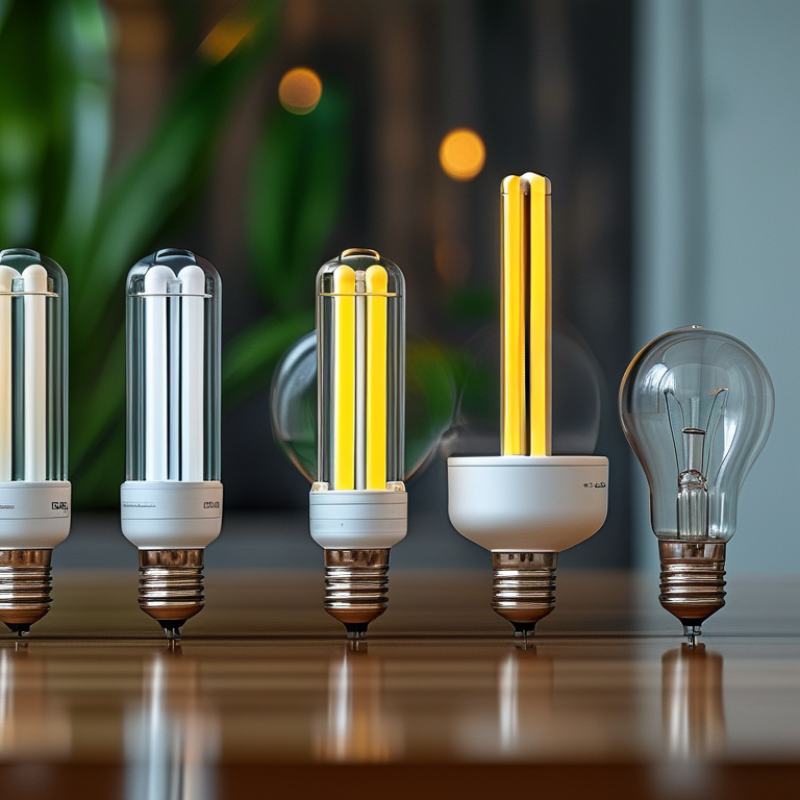
Understanding Energy Efficiency in Lighting
Energy efficiency in lighting is a crucial aspect of modern life. Understanding how different light sources consume energy can help us make better choices. LED bulbs stand out due to their exceptional performance. They emit more light while using less power compared to traditional bulbs. This efficiency translates into lower energy bills and reduced carbon footprints.
LEDs utilize advanced technology to convert electricity into light more effectively. They generate minimal heat, wasting less energy than incandescent bulbs, which release much of their energy as heat. However, not all LED products are created equal. Some may not live up to advertised efficiency claims. Consumers should look for reputable certifications to ensure genuine energy savings.
While LED lighting offers remarkable advantages, it is essential to reflect on our habits. How often do we leave lights on in unoccupied rooms? Have we considered using timers or sensors to optimize energy use? Small changes in our behavior can maximize the benefits of energy-efficient lighting. By being mindful and informed, we can contribute to a more sustainable future.
The Basics of LED Technology Explained
LED technology operates on a simple yet effective principle. Unlike traditional bulbs, LED lights use a semiconductor to produce light. This process converts energy into light with minimal waste. For example, an LED bulb converts about 90% of its energy into light. In comparison, incandescent bulbs waste much of their energy as heat. This efficiency makes LED bulbs a popular choice for those looking to reduce energy costs.
Another crucial aspect of LED technology is its longevity. Many LED lights can last up to 25,000 hours or more. This lifespan significantly reduces the need for frequent replacements. In contrast, traditional bulbs might only last a few thousand hours. However, some consumers still express concerns about the initial purchase price of LED lights. While they may cost more upfront, the savings in energy and replacement costs often make them a better investment over time.
Furthermore, LED lights offer instant brightness and come in various color temperatures. This versatility can cater to different preferences and settings. Still, it's important to note that not all LED products are created equal. Some may not meet expected standards. Therefore, researching and choosing quality options is essential. Understanding these details can empower consumers to make informed choices about their lighting needs.
Comparing LED Bulbs to Traditional Lighting Options
LED bulbs have gained traction as a superior choice for energy efficiency compared to traditional lighting options. According to the U.S. Department of Energy, LED lights use at least 75% less energy than incandescent bulbs. This significant reduction results in lower electricity bills and reduced environmental impact. LED technology converts more energy into light rather than heat, making them far more efficient.
In terms of lifespan, LED bulbs also outshine their counterparts. While incandescent bulbs last about 1,000 hours, LEDs can provide up to 25,000 hours of illumination. This longevity reduces the frequency of replacements, saving both time and resources. However, it's essential to note that initial costs for LED bulbs can be higher. Some consumers hesitate due to upfront prices, but energy savings over time can justify the investment.
Moreover, LED technology has improved significantly. The quality of light has enhanced, offering better color rendering and brightness. However, not all LED bulbs perform the same. Some may flicker or fail prematurely. It's crucial to choose high-quality products to maximize benefits. The rapid evolution of lighting technology means that consumers must remain informed to make optimal choices.
Energy Efficiency Comparison of LED Bulbs vs. Traditional Lighting Options
The Role of Lumens and Watts in Energy Consumption
When evaluating energy consumption, lumens and watts play crucial roles. Lumens measure brightness, while watts measure power usage. Traditional bulbs often require higher wattage to produce the same lumen output as LED bulbs. This disparity highlights the efficiency of LEDs, which provide significant illumination with much lower energy input.
For instance, a standard incandescent bulb might produce 800 lumens with around 60 watts. In contrast, an LED can achieve similar brightness using just 10 to 15 watts. This efficiency translates to lower energy bills and less environmental impact. Yet, some users still prefer incandescent bulbs due to familiarity. The challenge lies in changing these habits and recognizing the tangible benefits of LEDs.
Understanding the relationship between lumens and watts can help consumers make informed choices. While LEDs may have a higher upfront cost, their longevity and reduced energy consumption offer substantial savings over time. Embracing these facts requires us to shift our perspective on lighting and its role in our daily lives. Acknowledging initial hesitations, it's crucial to explore the long-term advantages of adopting energy-efficient technology.
Long-term Benefits of Using LED Lighting Solutions
LED lighting solutions offer significant long-term benefits compared to traditional incandescent or fluorescent bulbs. These energy-efficient bulbs consume up to 80% less energy. This reduction leads to lower electricity bills over time. For homes and businesses, the savings are substantial. Imagine a storefront that switches to LED lights. The impact on monthly expenses can be eye-opening.
On top of energy savings, LED bulbs last much longer. They can function for 15,000 to 50,000 hours, while incandescent bulbs typically last about 1,000 hours. Fewer replacements mean less waste and reduced maintenance costs. However, some may find the upfront purchase price for LED bulbs higher. This initial investment can be a barrier for some consumers. Still, over time, the accumulated savings often outweigh these initial costs.
Additionally, LED lights emit less heat. This feature helps in reducing cooling costs during warmer months. While some still cling to older lighting methods, the advantages of LEDs are hard to ignore. It’s essential to consider not just immediate expenses but the long-term impacts on energy consumption and environmental sustainability. The shift may feel daunting, but reflecting on these benefits can pave the way for smarter choices.
FAQS
: LED bulbs convert about 90% of energy into light, wasting less energy as heat.
Many LED bulbs can last between 15,000 to 50,000 hours, reducing the need for frequent replacements.
Yes, LED lights consume up to 80% less energy, leading to lower electricity bills over time.
The initial purchase price of LED bulbs can be higher, making some consumers reluctant to switch.
Small changes, like using timers or sensors, can help reduce energy waste and enhance efficiency.
No, some LED products may not meet efficiency claims, so look for reputable certifications.
LED lights emit less heat, which can help lower cooling costs during hot weather.
Some believe LED bulbs are not worth the investment due to their higher upfront cost.
Yes, reflecting on habits, like turning off lights in unoccupied rooms, maximizes energy savings.
It's essential to check the quality and efficiency standards of LED products before purchasing.
Conclusion
LED bulbs have emerged as a popular choice for energy-efficient lighting, raising the question: "Why are LED bulbs more energy efficient than other options?" One key factor lies in their advanced technology, which utilizes semiconductors to convert electricity into light more effectively than traditional incandescent or fluorescent bulbs. This results in higher lumens per watt, meaning they produce more light while consuming less energy.
Additionally, LED bulbs have a longer lifespan, reducing the frequency of replacements and further conserving resources. By comparing lumens and watts, it's clear that LED lighting solutions can significantly lower energy consumption and overall costs in the long term. These benefits make LED bulbs an appealing option for consumers looking to reduce their environmental footprint while enhancing lighting quality.
 Sass Lighting
