Sass Lighting Sass Lighting

How to Select Low Heat Light Bulbs for Enclosed Fixtures?

Time:2026-06-26 Author:Amelia
0%

Choosing the right light bulbs for enclosed fixtures has become an essential topic in energy efficiency. According to the U.S. Department of Energy, improper bulb selection can lead to overheating and reduced lifespan. Thus, understanding how to choose low-heat light bulbs for enclosed fixtures is crucial for both safety and durability.

Industry expert Dr. Emily Carter emphasizes, "Selecting the right bulb is not just about light; it’s about ensuring longevity and functionality." Her insights underline the importance of matching the bulb type with enclosure requirements. Lower heat bulbs, typically LED or CFL, minimize fire risks and energy wastes.

Many consumers overlook the specifications on packaging. Take the time to assess the wattage and heat output. Ensure the light meets the criteria for enclosed fixtures to avoid frequent replacements. Reflecting on your choices here can lead to better results in the long run. Proper selection can lead to longevity and fewer headaches in maintenance.
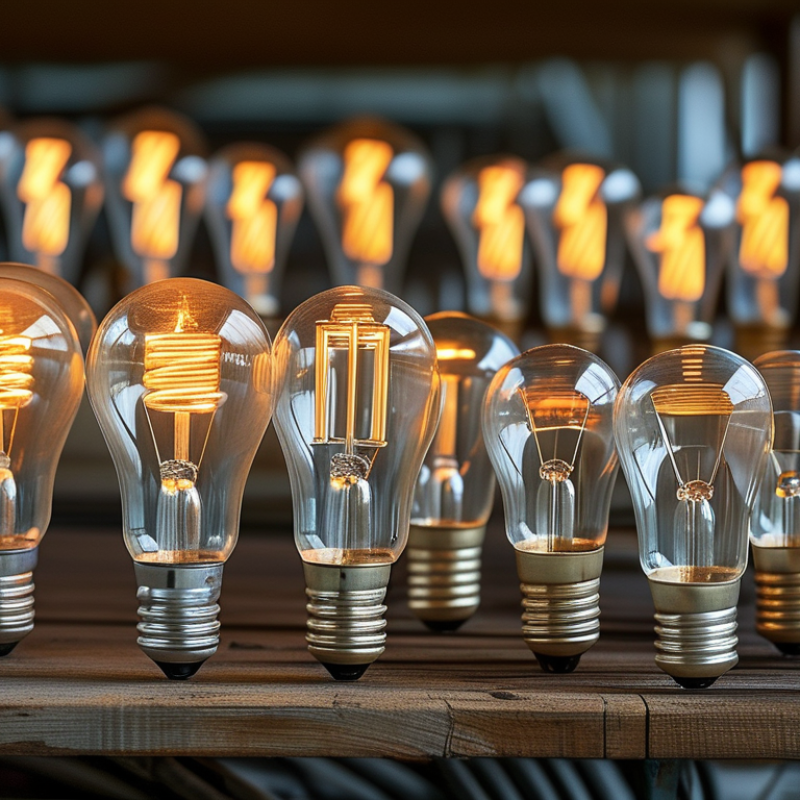
How to Select Low Heat Light Bulbs for Enclosed Fixtures?

Understanding Enclosed Fixtures and Their Requirements

Enclosed fixtures are increasingly common in modern lighting design. These fixtures are designed to contain a light source while protecting it from dust, moisture, and other environmental factors. However, they come with specific requirements. Research shows that overheating is a significant concern in these light fittings, leading to potential fire hazards and reduced bulb life. The American Lighting Association reports that improper bulb usage can shorten the lifespan of bulbs by as much as 50%.

Choosing low heat light bulbs for enclosed fixtures is crucial. Building codes often recommend using bulbs that produce less heat to avoid damaging the fixture or creating unsafe conditions. For instance, LED bulbs are often the best choice. They emit minimal heat compared to incandescent or halogen bulbs. According to the U.S. Department of Energy, LEDs can last 15 times longer than traditional bulbs, making them a more reliable and efficient option.

It's also important to consider the wattage and lumens in selecting bulbs. Higher wattages generate more heat. Ideally, the selected bulb should not exceed the recommended wattage for the fixture. In many cases, this may require adjusting expectations for brightness versus heat output. Balancing these factors is complex yet essential for safety and efficiency.

Importance of Low Heat Light Bulbs for Enclosed Fixtures

Selecting low heat light bulbs for enclosed fixtures is essential. Enclosed fixtures trap heat, which can lead to overheating. Traditional bulbs generate excess heat, posing fire risks. According to a report by the National Fire Protection Association, lighting equipment malfunction caused about 19,700 residential fires annually from 2014 to 2018. Low heat bulbs mitigate this risk.

LED bulbs are the preferred choice. They emit minimal heat and consume up to 75% less energy than incandescent bulbs. This energy efficiency translates to lower electricity bills and a reduced carbon footprint. The U.S. Department of Energy notes that widespread use of LED lighting could save up to $30 billion in annual energy costs by 2027. However, not all LED bulbs are created equal, particularly for enclosed fixtures. Choosing bulbs labeled for such use ensures optimal performance.

It's not just about energy savings. Low heat bulbs can extend the lifespan of your fixtures. Excessive heat can damage light fixtures, leading to frequent replacements. A study found that heat exposure can reduce a bulb's lifespan by 50%. Choosing appropriate low heat options leads to more reliable lighting and better maintenance outcomes. It is critical for homeowners to understand this when selecting lighting.

Light Bulb Heat Output Comparison for Enclosed Fixtures

Selecting the Right Wattage for Enclosed Light Fixtures

When selecting low heat light bulbs for enclosed fixtures, wattage plays a crucial role. You need to ensure the wattage is appropriate for the fixture to avoid overheating. Enclosed fixtures often trap heat, making it essential to choose bulbs designed for this purpose. Consider the fixture's maximum wattage rating, which is typically labeled inside.

Using the right wattage can enhance safety and efficiency. A bulb with higher wattage can generate excess heat, creating a fire hazard. It’s vital to consider LED or CFL options since they typically produce less heat compared to traditional incandescent bulbs. These alternatives also consume less energy, making them a smart choice for your wallet and the environment.

Tips: Check the manufacturer's guidelines for wattage specifics. If you're uncertain, using a lower wattage bulb is generally safer. It's better to under-light a fixture than risk overloading it. Also, pay attention to the design of the bulb; those labeled as "enclosed fixture rated" are designed to operate safely in limited airflow. Regularly inspect the fixture for any signs of wear or overheating, ensuring it operates efficiently and safely.

Types of Low Heat Light Bulbs Available for Enclosed Spaces

When selecting low heat light bulbs for enclosed fixtures, consider the types available that fit in those spaces. One popular option is LED bulbs. They generate minimal heat and are energy efficient. These bulbs come in different shapes and sizes, perfect for any enclosed fixture. Their long lifespan is also a significant advantage.

Another choice is compact fluorescent lamps (CFLs). They produce less heat when compared to traditional incandescent bulbs. However, their bulkier design may not fit all enclosures. It's essential to check the bulb's dimensions and heat output before purchasing. Ensure that the bulb qualifies for enclosed fixtures to avoid overheating.

Tips: Always look for bulbs labeled “suitable for enclosed fixtures” to guarantee safe use. Check the wattage; staying below recommended limits helps prevent warmth buildup. Additionally, be cautious when mixing bulb types in one fixture. This can lead to uneven heat distribution or fixture damage. Remember, lighting choices affect both safety and energy consumption.

Safety Considerations When Using Light Bulbs in Enclosed Fixtures

When choosing light bulbs for enclosed fixtures, safety is a top priority. Enclosed spaces create heat buildup that can lead to potential hazards. Using bulbs designed specifically for these environments is essential to prevent overheating. Look for bulbs labeled as "suitable for enclosed fixtures." These are built to handle higher temperatures, reducing the risk of fire.

Heat can warp or damage standard bulbs. The glass may shatter, potentially causing injuries. Safety regulations underscore the importance of using appropriate lighting. Always check compatibility before installation. Remember that energy-efficient options often produce less heat, making them safer choices. It's wise to consider the wattage of your bulbs. Higher wattage increases heat output, so balance is key.

Be mindful of bulb placement. Fixtures that are too tight can exacerbate heat issues. Consider airflow around the fixture, as it plays a critical role in heat dissipation. Regularly inspect the bulbs and fixtures for signs of wear or damage. These small details can make a big difference in safety. Always err on the side of caution when choosing lighting solutions. Your safety should never be compromised for aesthetics or convenience.

FAQS

: What are enclosed fixtures?

: Enclosed fixtures are lighting designs that contain a light source, protecting it from dust and moisture.

Why is overheating a concern with enclosed fixtures?

Overheating can pose fire hazards and shorten bulb life significantly, sometimes by up to 50%.

What type of bulbs are recommended for enclosed fixtures?

Low heat light bulbs, such as LEDs, are recommended to prevent overheating and ensure safety.

How do LED bulbs compare to traditional bulbs?

LEDs produce minimal heat and last up to 15 times longer than traditional bulbs, making them more efficient.

What should I consider when selecting bulbs for enclosed fixtures?

Consider wattage and heat output. Ideally, bulbs should not exceed the fixture's recommended wattage.

What are the safety risks of using inappropriate bulbs?

Using improper bulbs can lead to overheating, potential glass shattering, and increased fire risks.

How can I ensure my bulbs are safe for enclosed fixtures?

Look for bulbs specifically labeled as "suitable for enclosed fixtures" to prevent overheating issues.

What maintenance tips should I follow for enclosed fixtures?

Regularly check the bulbs and fixtures for wear, and ensure proper airflow around the fixture to help dissipate heat.

Why is energy efficiency important in bulb selection?

Energy-efficient bulbs reduce heat and can lower electricity bills, contributing to a lower carbon footprint.

What common mistakes should I avoid with enclosed fixtures?

Avoid using high wattage bulbs and neglecting regular inspections, as these can lead to safety issues and frequent replacements.

Conclusion

When considering how to choose low-heat light bulbs for enclosed fixtures, it's essential to understand the unique requirements of these fixtures. Enclosed spaces can trap heat, which may pose a risk to standard bulbs. Therefore, selecting light bulbs specifically designed for use in enclosed areas is crucial to ensure safety and longevity.

Low-heat light bulbs come in various wattages and types, including LED and CFL options. It's important to select the appropriate wattage to match the fixture's specifications while ensuring that the bulbs produce minimal heat. Additionally, safety considerations should be prioritized, such as avoiding bulbs that exceed the fixture's recommended wattage and ensuring proper ventilation. By following these guidelines, one can effectively choose low-heat light bulbs suitable for enclosed fixtures, enhancing both safety and efficiency.

Amelia

Amelia

Amelia is a seasoned marketing professional with a wealth of expertise in our company’s core offerings. With an unwavering passion for driving growth and innovation, she plays a pivotal role in shaping our marketing strategies and enhancing brand visibility. A key aspect of her responsibilities......