When considering energy-efficient lighting, many people wonder, "How long do LED light bulbs normally last?" This question reflects a common concern. LED light bulbs have gained popularity for their longevity and efficiency. However, some still have misconceptions about their lifespan.
Most LED bulbs can last anywhere between 15,000 to 50,000 hours, depending on usage and quality. This could mean years of savings on replacements and energy costs. Yet, not all LEDs are created equal. Variations in manufacturing quality can lead to disappointing results. Some users report bulbs that fail much sooner than expected. This inconsistency raises questions about reliability.
Understanding LED technology is crucial for making informed choices. The design, materials used, and even the specific brand significantly impact how long a bulb lasts. It's essential to evaluate these aspects when purchasing LED light bulbs. Ultimately, while they promise impressive longevity, not every bulb lives up to the hype. Being aware of these factors can help consumers make the best decision for their lighting needs.
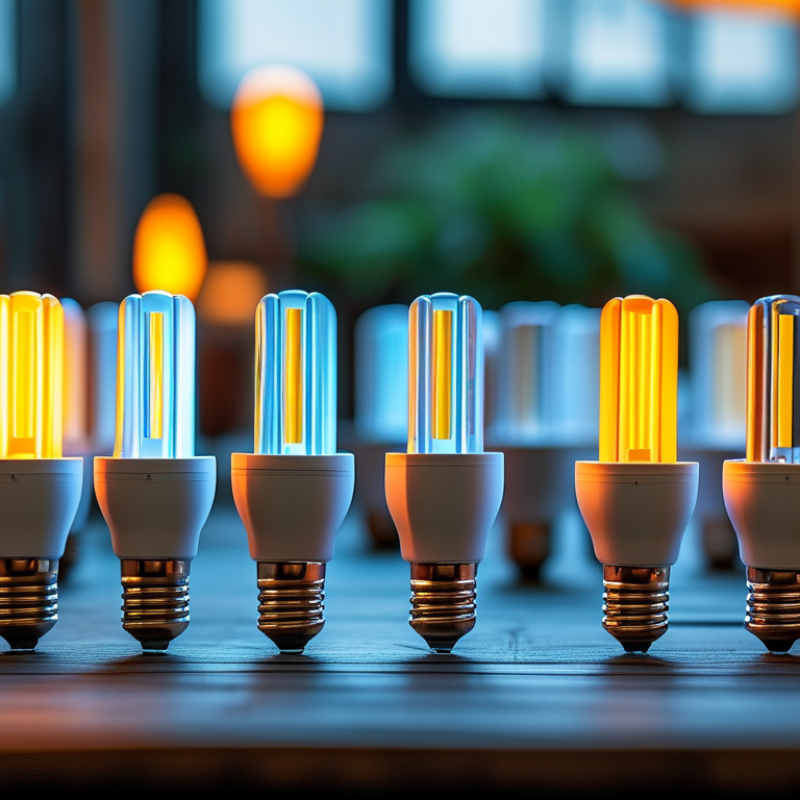
Understanding LED Light Bulbs: An Overview of Technology and Benefits
LED light bulbs have rapidly changed the lighting landscape. Their technology offers significant advantages over traditional incandescent bulbs. Generally, LED bulbs use at least 75% less energy. This efficiency translates into lower electricity bills. According to the U.S. Department of Energy, LED bulbs can last up to 25,000 hours or more. This is a significant step up from incandescent options, which often burn out after 1,000 hours.
Despite these benefits, some users still encounter issues. For instance, not all LED bulbs are dimmable. This can lead to frustrations for those looking to create varying ambiance in their homes. Additionally, the color rendering in LED bulbs sometimes doesn't meet expectations. Some customers may find the light too harsh compared to softer incandescent lighting.
**Tips:** When choosing LED bulbs, check the lumens rating. Lumens measure brightness and can vary significantly. For cozy lighting, aim for higher watt equivalents but lower lumens. Consider a mix of colors too. Warm white LED options may offer a softer glow. Remember to look for Energy Star ratings to ensure reliability.
The Lifespan of LED Light Bulbs Compared to Other Types
LED light bulbs have gained immense popularity due to their longevity compared to traditional incandescent and fluorescent bulbs. On average, an LED bulb lasts about
15,000 to 25,000 hours, which significantly surpasses incandescent bulbs that typically endure only
1,000 hours. A report by the U.S. Department of Energy suggests that replacing older bulbs with LEDs can save consumers over
$100 in energy costs over the bulb's lifetime.
While LEDs excel in lifespan, they also exhibit a gradual reduction in light output over time. This phenomenon, known as
lumen depreciation, means that although an LED bulb can last for years, its brightness may diminish. Some users may overlook this aspect, leading to potential dissatisfaction as they expect consistent performance throughout the bulb's life. A quality LED can retain around
70% of its initial brightness at the end of its lifespan, but variations exist based on manufacturing standards.
In comparison, compact fluorescent lamps (CFLs) last about
7,000 to 15,000 hours. CFLs exhibit a similar deterioration in light quality but are not as efficient as LEDs. Adopting LED technology represents a significant step toward enhanced sustainability. However, consumers should be mindful of potential flickering and color consistency issues, problems that sometimes arise in lower-quality models.
Making informed choices is vital, as the market offers a wide range of products with varying lifespans and quality.
Factors Affecting the Longevity of LED Light Bulbs
LED light bulbs are known for their long lifespan, generally lasting between 15,000 to 50,000 hours. However, their longevity can be influenced by several key factors. One major factor is temperature. High heat can shorten the lifespan of LED bulbs significantly. When bulbs are placed in enclosed fixtures, the heat build-up can lead to faster deterioration.
Another important aspect is the quality of the components. Not all LED bulbs are created equal. Cheaper options may use lower-quality materials, resulting in reduced efficiency and shorter life. It's crucial to look beyond the price tag when selecting bulbs. Additionally, the electrical voltage can also impact performance. Variations in voltage can lead to flickering, which not only annoys but can also decrease the bulb's lifespan.
Lastly, the usage patterns matter. Frequent on-and-off cycling can wear out an LED bulb faster than consistent use. This may sound counterintuitive, yet bulbs may perform poorly if not used wisely. Understanding these factors helps users make informed choices, while also recognizing that not every bulb will perform perfectly in every situation.
Top 10 LED Light Bulbs and Their Expected Lifespans
When choosing LED light bulbs, lifespan is a critical factor. Most LED bulbs last between 15,000 to 50,000 hours, which is impressive compared to traditional options. The longevity of these bulbs primarily depends on their construction and usage conditions. A well-made LED can shine bright for even longer if used correctly.
Heat management plays a significant role in an LED’s lifespan. Poor heat dissipation can shorten a bulb's life. Many consumers overlook this aspect. It’s essential to select bulbs with good heat sinks. Additionally, using LED bulbs in enclosed fixtures can lead to overheating. This common mistake affects performance and durability.
Many people expect all LED bulbs to last indefinitely, which is misleading. Factors such as wattage and frequency of use impact lifespan. Some bulbs may start to dim after a shorter period. Regularly checking the brightness can help you gauge their effectiveness. Not all LEDs are created equal, and understanding their lifespan is vital for making informed choices.
Top 10 LED Light Bulbs and Their Expected Lifespans
| LED Bulb Type |
Wattage |
Brightness (Lumens) |
Lifespan (Hours) |
Color Temperature (Kelvin) |
| A19 LED Bulb |
9W |
800 |
25000 |
2700K |
| BR30 LED Bulb |
10W |
950 |
30000 |
3000K |
| PAR20 LED Bulb |
7W |
500 |
20000 |
4000K |
| GU10 LED Bulb |
5W |
350 |
25000 |
3000K |
| Candelabra LED Bulb |
4W |
300 |
15000 |
2700K |
| LED Downlight |
12W |
1000 |
30000 |
4000K |
| LED Tube Light |
18W |
2200 |
25000 |
6500K |
| Smart LED Bulb |
10W |
800 |
25000 |
2700K-6500K |
| Vintage LED Bulb |
6W |
500 |
20000 |
2200K |
| LED Landscaping Light |
5W |
300 |
25000 |
3000K |
Tips for Maximizing the Life of Your LED Light Bulbs
To maximize the lifespan of your LED light bulbs, it's essential to consider several factors. One key aspect is proper installation. Ensure bulbs are screwed in securely; loose connections can lead to flickering or overheating. Additionally, consider the type of fixture you're using. Certain fixtures may not be compatible with LED technology, potentially shortening their lifespan.
Heat is another enemy of LED bulbs. Keeping your bulbs cool can significantly enhance their longevity. Use fixtures that allow heat to escape. Adequate ventilation matters. If possible, switch off lights when not needed, giving them a break. Overuse not only wastes energy but also wears out the bulbs faster.
Lastly, assess your usage patterns. If certain areas require frequent lighting, opt for higher quality LED bulbs designed for longevity. Though cheaper options are tempting, they may not last as long. It's a balancing act of cost versus durability. Reflection can lead to better choices for effectively lighting your spaces. A little care goes a long way in extending the life of your bulbs.
FAQS
: LED bulbs use at least 75% less energy than traditional bulbs, lowering electricity bills significantly.
LED bulbs can last between 15,000 to over 50,000 hours, much longer than incandescent options.
No, not all LED bulbs are dimmable, which can frustrate users wanting adjustable lighting.
High temperatures can significantly reduce the lifespan of LED bulbs, especially in enclosed fixtures.
Cheaper LED bulbs may use lower-quality materials, affecting efficiency and lifespan negatively.
Yes, fluctuations in voltage can cause flickering and reduce the expected lifespan of the bulb.
Frequent on-and-off usage can wear out LED bulbs faster than consistent use, which seems counterintuitive.
Poor heat dissipation can shorten a bulb's life; choosing bulbs with good heat sinks is essential.
Look for lumens ratings for brightness and Energy Star ratings for reliability.
No, not all LED bulbs are equal, and factors like bulb construction affect performance and lifespan.
Conclusion
LED light bulbs have revolutionized the lighting industry with their technology and numerous benefits, such as energy efficiency and longevity. A key question many consumers ask is, "How long do LED light bulbs normally last?" Compared to traditional incandescent and fluorescent bulbs, LED bulbs generally last much longer, with lifespans ranging from 15,000 to 50,000 hours, depending on the type and quality.
Several factors can influence the longevity of LED light bulbs, including operating temperature, voltage fluctuations, and usage patterns. To maximize the life of your LED bulbs, it’s important to ensure proper installation, avoid overloading circuits, and use compatible dimmers. Understanding these aspects can enhance your experience and help you benefit from the superior lifespan LED technology offers.
 Sass Lighting
